

When verifying identity for legal document execution, one of the most common questions is whether an Emirates ID or a passport should be used during the notary identification process. Both documents serve as official forms of identification, but their role, acceptance, and suitability can vary depending on the type of transaction, the individual’s residency status, and the legal requirements of the authority involved. Proper identity verification is a critical component of document authentication, helping to prevent fraud, confirm legal capacity, and ensure that documents are accepted by courts, government entities, financial institutions, and regulatory bodies. As part of Authenticating Signatures & IDs, understanding the differences between Emirates ID and passport verification can help individuals and businesses prepare documents correctly and avoid unnecessary delays.
Why Identity Verification Is Required for Notary Services
Before a notary can witness, authenticate, or certify a document, the identity of the signatory must be confirmed. This process ensures that the person signing the document is genuinely the individual named within it and has the authority to execute the document.
Identity verification protects against forgery, impersonation, and fraudulent transactions. It also provides evidence that the document was signed knowingly, voluntarily, and by the correct individual.
Without proper identification, many legal documents may not be accepted for notarisation, authentication, or further legal processing.
What Is an Emirates ID?
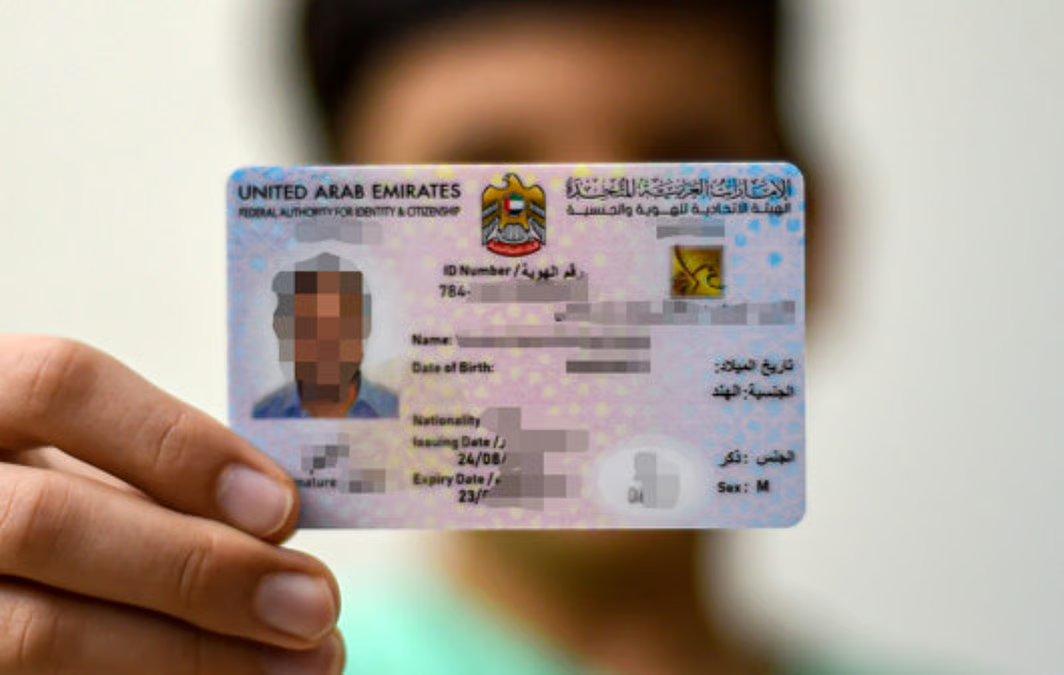
An Emirates ID is the official national identity card issued by the Federal Authority for Identity, Citizenship, Customs and Port Security in the UAE. It is a mandatory identification document for UAE citizens and residents.
The Emirates ID contains personal information including the individual’s full name, nationality, photograph, identity number, and residency-related details. It also incorporates advanced security features designed to reduce fraud and improve verification accuracy.
Because it is linked to official government records, the Emirates ID is widely regarded as one of the most reliable forms of identification within the UAE.
What Is a Passport?
A passport is an internationally recognised travel and identity document issued by a person’s country of citizenship. It confirms nationality and identity and is commonly used for immigration, travel, and international legal transactions.
Passports contain important identifying information such as the holder’s name, date of birth, nationality, photograph, passport number, and issuing authority.
For non-residents and foreign nationals, a passport is often the primary form of identification used during legal and notarial procedures.
When Emirates ID Is Preferred for Notary Verification
For UAE residents, the Emirates ID is often the preferred identification document during notary procedures. This preference exists because the Emirates ID is directly connected to UAE government identity systems and provides up-to-date residency information.
In many situations, an Emirates ID offers a more reliable method of confirming identity within the UAE legal framework than a passport alone.
Advantages of using an Emirates ID may include:
- Direct verification against UAE identity records.
- Confirmation of residency status.
- Enhanced security features.
- Greater acceptance in domestic legal transactions.
- Consistency with local regulatory requirements.
For residents executing powers of attorney, corporate documents, property-related documents, or personal legal instruments, the Emirates ID is frequently requested as the primary form of identification.
When a Passport May Be Required
Although the Emirates ID is commonly preferred for UAE residents, passports remain an important identification document in many notarial situations.
A passport may be required when:
- The individual is a non-resident.
- The individual is visiting the UAE temporarily.
- The transaction involves international legal requirements.
- Nationality verification is necessary.
- The Emirates ID is unavailable, expired, or insufficient for the specific procedure.
In certain cross-border transactions, authorities may require passport details because passports are internationally recognised and often necessary for foreign legalisation, attestation, or embassy-related processes.
Can Both Emirates ID and Passport Be Required?
Yes. In many legal transactions, both documents may be requested as part of the identity verification process.
Using both documents provides an additional layer of verification by confirming identity, nationality, residency status, and consistency across official records. This approach may be particularly important for high-value transactions, corporate matters, international documentation, or situations involving multiple jurisdictions.
Providing both documents can also help reduce delays if additional verification becomes necessary.
Identity Verification for UAE Residents
For UAE residents, notaries often request an Emirates ID as the primary identification document. Depending on the nature of the transaction, a passport may also be reviewed to confirm nationality and ensure consistency with the information contained in the legal document.
Where documents involve international use, foreign assets, overseas authorities, or cross-border transactions, passport verification may become increasingly important alongside Emirates ID verification.
Identity Verification for Non-Residents
Non-residents generally rely on passports as their principal form of identification during notarial procedures in the UAE.
Additional supporting documentation may sometimes be required depending on the nature of the document and the applicable legal requirements. This may include entry records, visa documentation, proof of address, or other supporting identification materials.
The objective remains the same: establishing certainty regarding the signatory’s identity before the document is executed or authenticated.
How Notaries Verify Identification Documents
Notaries do more than simply view identification documents. They review the authenticity and validity of the identification presented, compare personal details with the information contained in the document being executed, and confirm that the individual appearing before them is the person identified in the records.
This process may include reviewing photographs, checking identification numbers, confirming document validity periods, and assessing whether the identification appears genuine and unaltered.
These verification procedures help strengthen the reliability of the notarisation process.
Common Issues That Can Delay Identity Verification
Several issues can create complications during notary identification checks.
Common examples include:
- Expired Emirates IDs or passports.
- Mismatched names across documents.
- Incorrect passport details within legal documents.
- Unclear copies of identification documents.
- Changes in personal information that have not been updated.
- Damaged or unreadable identification documents.
Addressing these issues before attending a notary appointment can help avoid delays and reduce the risk of document rejection.
Why Accurate Identification Matters
Accurate identity verification strengthens the legal validity of documents and protects all parties involved in a transaction. It reduces the likelihood of fraud, prevents identity-related disputes, and helps ensure that legal documents are recognised by relevant authorities.
Whether using an Emirates ID, passport, or both, the goal is to establish reliable proof of identity before significant legal rights or obligations are created.
This verification process forms a critical foundation for secure and legally enforceable transactions.
Conclusion
Both Emirates ID cards and passports play important roles in notary identity verification procedures. For UAE residents, the Emirates ID is often the preferred form of identification due to its connection with official UAE identity systems and residency records. Passports remain essential for confirming nationality, supporting international transactions, and verifying the identity of non-residents. In many situations, both documents may be used together to provide stronger verification and ensure compliance with legal requirements. By understanding when each form of identification is required and ensuring that documents are accurate and current, individuals and businesses can help facilitate smooth, secure, and legally valid notarial procedures.


