

As legal and commercial transactions become increasingly digital, identity verification methods continue to evolve beyond traditional document checks and visual signature comparisons. One of the most significant developments in modern authentication processes is biometric verification. By using unique physical or behavioural characteristics to confirm identity, biometric technologies provide an additional layer of security that can strengthen signature authentication and reduce the risk of fraud. While traditional identification methods such as passports and Emirates IDs remain essential, biometric verification is increasingly being integrated into authentication procedures for high-value transactions, remote document execution, and digital legal services. As part of Authenticating Signatures & IDs, biometric verification offers a powerful tool for confirming identity and enhancing confidence in legal document execution.
What Is Biometric Verification?
Biometric verification is the process of confirming an individual’s identity using unique biological or behavioural characteristics that are difficult to duplicate or forge. Unlike passwords, signatures, or identification numbers, biometric traits are inherently linked to a specific person.
These characteristics can be measured electronically and compared against previously recorded biometric data to confirm identity.
Biometric verification is widely used in banking, government services, immigration systems, digital security platforms, and increasingly within legal and authentication processes.
Common Types of Biometric Verification
Several forms of biometric verification are used in identity authentication systems.
Fingerprint Recognition
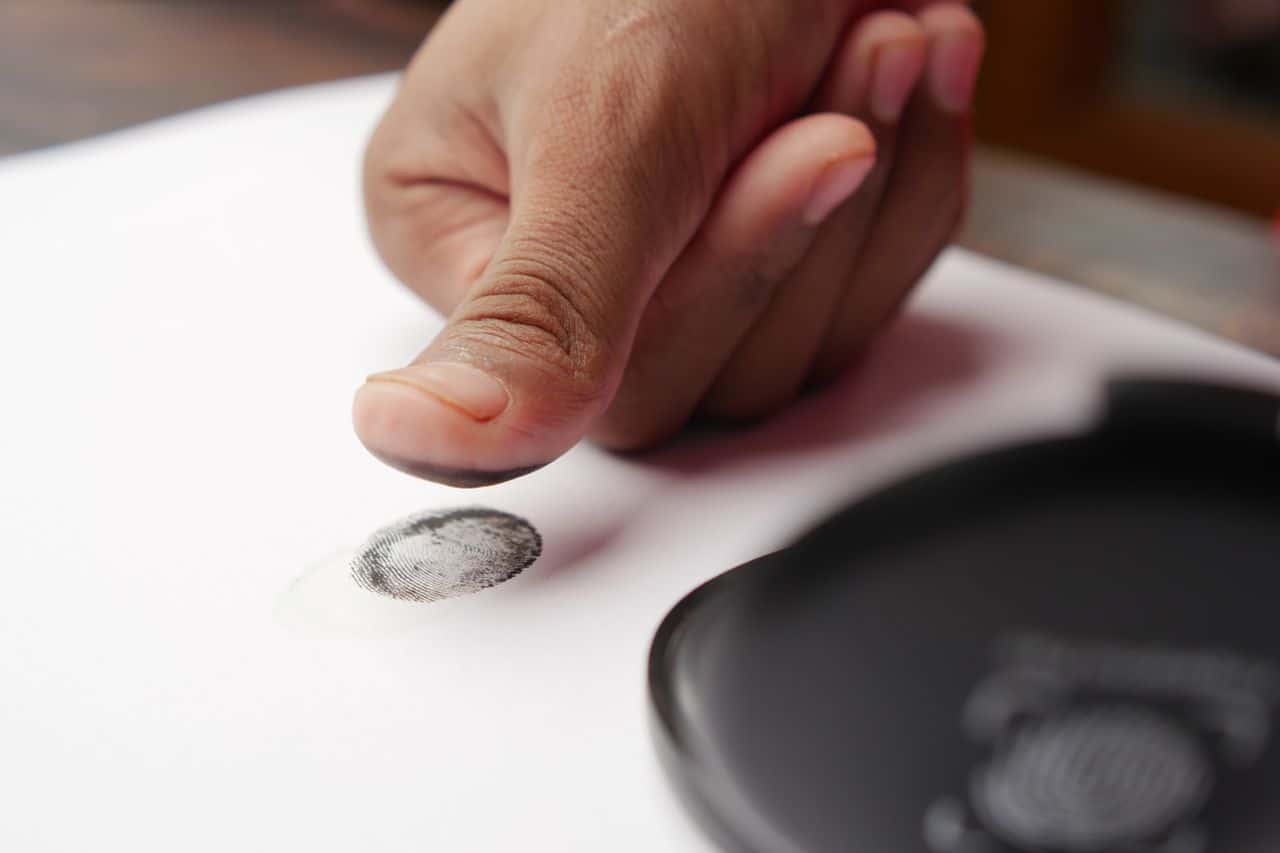
Fingerprint verification remains one of the most widely adopted biometric methods. Each individual possesses unique fingerprint patterns that can be scanned and compared against stored records.
Fingerprint authentication is commonly used in government identity systems, access control environments, and secure transaction platforms.
Facial Recognition
Facial recognition technology analyses distinctive facial characteristics such as facial structure, distances between features, and unique biometric markers.
Advanced systems can compare a live image against identity records to verify whether the individual is the authorised user.
Facial recognition has become increasingly common in digital onboarding, remote verification, and online legal services.
Iris and Retina Scanning
The patterns found within the iris and retina are highly distinctive and difficult to replicate. These technologies provide a high level of security and are often used in environments requiring enhanced identity verification.
Although less common than fingerprint or facial recognition systems, they offer extremely accurate verification capabilities.
Voice Recognition
Voice biometrics analyse vocal characteristics such as tone, pitch, speech patterns, and other unique vocal traits.
This type of verification is often used in telephone-based authentication systems and remote customer verification processes.
Behavioural Biometrics
Behavioural biometrics evaluate patterns such as typing speed, mouse movements, touchscreen interactions, and digital usage behaviour.
These technologies can provide continuous verification during digital transactions and help detect suspicious activity.
How Biometric Verification Supports Signature Authentication
Traditional signature authentication focuses on confirming that a signature belongs to the individual named in a document. However, signatures can sometimes be forged, copied, or disputed.
Biometric verification enhances this process by independently confirming the signatory’s identity before or during document execution.
When combined with signature authentication, biometrics create multiple layers of verification that significantly reduce the risk of impersonation and fraud.
The authentication process may involve verifying the individual’s biometric information before allowing them to sign a document electronically or before confirming the validity of a handwritten signature.
Benefits of Biometric Verification in Legal Transactions
Enhanced Identity Assurance
Biometric characteristics are unique to each individual, making them significantly more difficult to forge than traditional identification methods.
This increases confidence that the person executing the document is genuinely the authorised signatory.
Fraud Prevention
Biometric verification helps prevent identity theft, impersonation, and unauthorised document execution.
By requiring biometric confirmation before authentication, fraudulent actors face substantially greater obstacles when attempting to misuse another person’s identity.
Improved Security for Remote Transactions
As remote document execution becomes more common, biometric verification provides a reliable method for confirming identity without requiring physical presence.
This is particularly valuable for cross-border transactions, international clients, and digital legal services.
Greater Auditability
Biometric authentication systems often generate detailed electronic records showing when and how identity verification occurred.
These records can provide valuable evidence if questions arise regarding document execution.
Biometric Verification and Electronic Signatures
Electronic signatures have become widely accepted in many legal and commercial environments. However, the reliability of an electronic signature often depends on the strength of the identity verification process used before signing.
Biometric verification can strengthen electronic signature systems by ensuring that the person applying the signature is the authorised individual.
For example, a digital signing platform may require facial recognition, fingerprint verification, or another biometric check before allowing access to a document.
This combination enhances the trustworthiness and evidentiary value of electronically signed documents.
Applications in Notarial and Authentication Services
Biometric technologies are increasingly being incorporated into authentication and notarial processes, particularly in digital environments.
Potential applications include:
- Remote identity verification.
- Electronic notarisation procedures.
- Cross-border legal transactions.
- Corporate document execution.
- High-value financial agreements.
- Property and real estate transactions.
- Secure client onboarding processes.
By integrating biometrics into authentication workflows, service providers can enhance both security and efficiency.
Limitations and Considerations
While biometric verification offers significant benefits, it is not a complete replacement for traditional legal verification procedures.
Legal requirements may still require the presentation of official identification documents, personal appearance before a notary, supporting documentation, or compliance with specific procedural rules.
Biometric systems must also be implemented carefully to ensure data protection, privacy compliance, and information security.
The effectiveness of biometric verification depends on the quality of the technology, the accuracy of the biometric data, and adherence to applicable legal standards.
Privacy and Data Protection Considerations
Biometric information is highly sensitive personal data. Organisations that collect, store, or process biometric information must implement appropriate security measures to protect that data from misuse, unauthorised access, or disclosure.
Strong governance frameworks, secure storage systems, encryption technologies, and compliance procedures are essential when handling biometric information.
Maintaining public trust requires balancing enhanced security with responsible data protection practices.
The Future of Biometric Authentication
Biometric verification is expected to play an increasingly important role in legal, financial, and governmental authentication systems. As digital transactions continue to expand, organisations are seeking more secure methods of confirming identity while maintaining convenience and efficiency.
Emerging technologies may further improve biometric accuracy, strengthen fraud prevention capabilities, and support broader adoption of remote authentication and electronic execution services.
The combination of biometric verification, digital identity systems, and advanced authentication technologies is likely to shape the future of secure legal transactions.
Conclusion
Biometric verification represents a significant advancement in signature authentication and identity verification. By using unique physical and behavioural characteristics to confirm identity, biometric technologies provide enhanced security, stronger fraud prevention, and greater confidence in legal document execution. Whether supporting electronic signatures, remote authentication, or traditional notarisation processes, biometric verification offers an additional layer of protection that helps ensure documents are executed by the correct individual. As legal and commercial transactions continue to evolve in the digital age, biometric verification is becoming an increasingly valuable tool for strengthening trust, security, and legal certainty.


