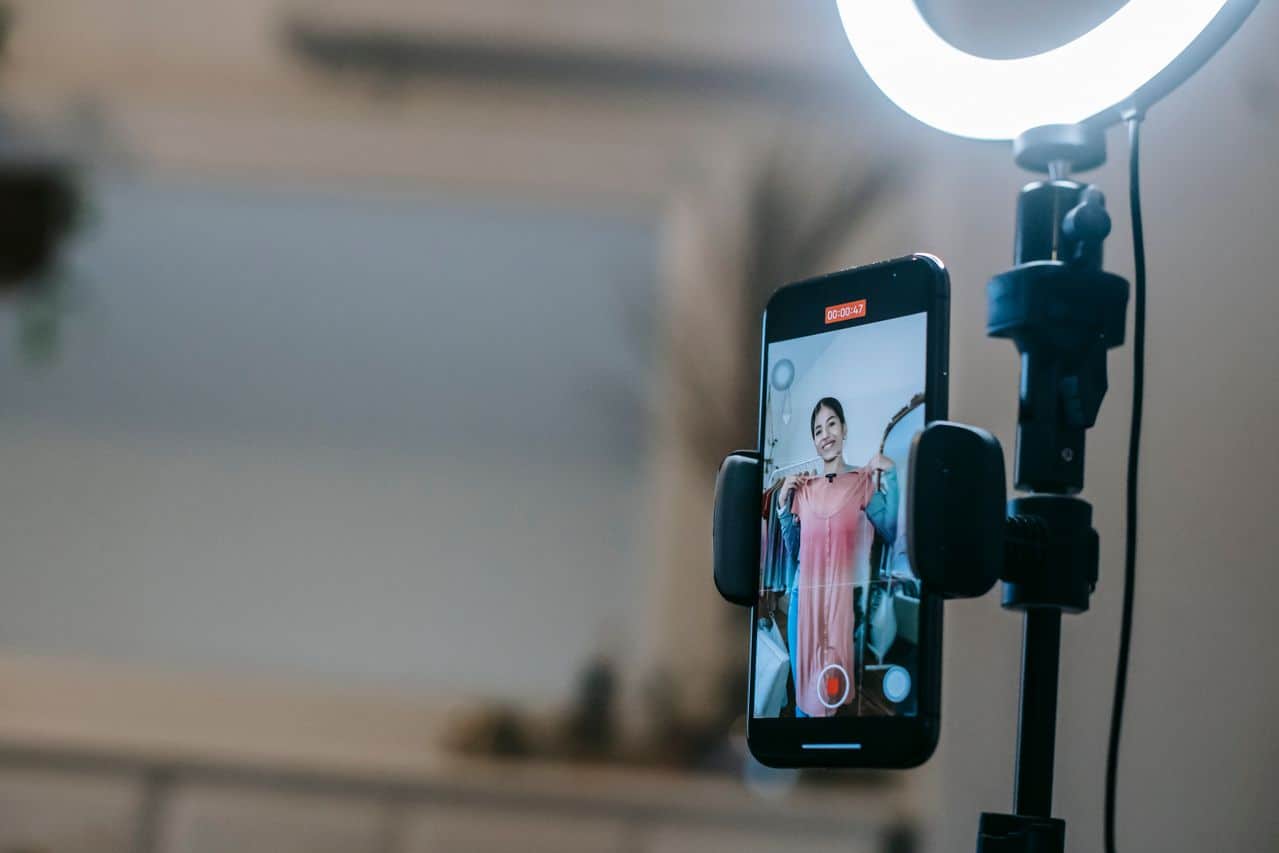

Going live on social media may feel informal.
There is no editing room, no production delay and often no written script. Participants speak in real time, respond immediately to viewers and may say or do things they would reconsider before publishing a permanent post.
Legally, however, a livestream is still published content.
The fact that a broadcast is spontaneous, temporary or later deleted does not place it outside the UAE’s media and cybercrime framework. Depending on what occurs during the broadcast, participants may face administrative action, criminal investigation, civil claims or platform sanctions.
This has attracted renewed attention following reports that the UAE’s National Media Authority took legal action against two individuals over content broadcast during a social media livestream.
The Authority reportedly considered that the broadcast disrespected Emirati culture, affected the country’s national identity and heritage, and offended societal values.
The incident has not been presented as a final criminal conviction, and legal action or referral should not be treated as proof that an offence has been established. It nevertheless illustrates an important principle for influencers, businesses and ordinary users:
A livestream is not a legally consequence-free conversation simply because it happens in real time.
What Happened in the Recent Livestream?
According to the reported announcement, two individuals participated in a social media livestream containing material considered offensive to Emirati culture and inconsistent with the UAE’s national identity, heritage and societal values.
The National Media Authority reportedly took legal action in response to the broadcast.
Public reporting has not established every statement made during the livestream, the precise offences being considered or whether the matter will result in administrative penalties, prosecution or another form of enforcement.
It is therefore important not to conclude that either individual has been found legally liable unless and until a competent authority or court reaches that determination.
The significance of the incident lies in the regulatory response.
It demonstrates that authorities may assess livestream content against the same legal and professional standards that apply to edited videos, social media posts, advertisements and other forms of digital publication.
It also highlights that cultural representation is not treated solely as a question of taste. Where content is considered to demean national identity, heritage, public values or protected social interests, it may create a legal issue.
A Livestream Is Still Published Content
Some users assume that livestreams are legally different because they disappear when the broadcast ends.
That assumption is incorrect.
A person who speaks, acts, displays images or enables another participant to communicate through a livestream is transmitting content to an audience through an information technology platform.
Depending on the circumstances, this may amount to publishing, broadcasting, circulating, transmitting or making content available to the public.
The legal character of the content does not depend entirely on whether it was:
- professionally produced;
- rehearsed;
- edited;
- monetised;
- watched by a large audience;
- saved permanently;
- later reposted; or
- intended to become viral.
A broadcast to a relatively small group may still fall within the applicable laws.
The potential exposure may increase where the livestream is public, recorded, monetised or widely distributed, but a limited audience does not automatically remove legal responsibility.
Which UAE Laws May Apply?
A problematic livestream may engage more than one legal framework.
Media regulation
The UAE’s media legislation and content standards regulate material published through media and digital channels.
Relevant principles include respect for:
- the UAE’s sovereignty and institutions;
- national identity;
- cultural and civilisational heritage;
- public morals;
- religious values;
- social cohesion;
- privacy;
- human dignity; and
- the accuracy of information presented to the public.
Administrative enforcement may be available where regulated media activity or content breaches those standards.
Cybercrime law
The UAE’s cybercrime legislation may apply where a livestream involves conduct such as:
- insulting another person;
- defamation;
- threats;
- invasion of privacy;
- unauthorised recording;
- publication of false information;
- material contrary to public morals;
- hate speech;
- incitement; or
- misuse of an electronic platform.
A single broadcast may potentially raise several different offences depending on its content.
Civil liability
An identifiable person who suffers reputational, financial or personal harm may also pursue civil compensation where the legal requirements are satisfied.
Professional and commercial regulation
Where the speaker is acting as an influencer, advertiser, licensed professional, employee or representative of a business, additional regulatory and contractual consequences may arise.
Why National Identity and Cultural Heritage Matter
The UAE’s media content standards require publishers and content creators to respect the country’s national identity, heritage, values and social principles.
This does not mean that every discussion of Emirati culture is prohibited or that cultural content cannot be humorous, creative or critical.
The legal risk arises where the manner of representation becomes insulting, degrading, misleading or inconsistent with protected public interests.
Potentially sensitive content may involve:
- national dress;
- Emirati dialect;
- traditional customs;
- national symbols;
- public figures;
- religious or social practices;
- stereotypes about citizens;
- distorted representations of heritage; or
- conduct falsely presented as authentically Emirati.
Context is critical.
The authorities may consider the words used, gestures made, tone, surrounding discussion, audience response and the manner in which the content was presented.
A creator’s personal explanation of what was intended is relevant, but it may not be decisive where the objective effect of the broadcast is considered offensive or harmful.
Is Wearing Emirati Dress in Content Unlawful?
Not automatically.
Residents and visitors regularly wear local clothing respectfully during cultural, ceremonial and social occasions.
The legal concern is more likely to arise where national dress is used to:
- mock Emirati identity;
- impersonate an Emirati for deceptive purposes;
- create an offensive stereotype;
- mislead an audience in commercial advertising;
- ridicule national customs; or
- associate the culture with degrading or unlawful conduct.
The overall presentation matters more than the clothing alone.
A respectful educational or celebratory video is legally and socially different from content that uses traditional dress to demean the people or identity it represents.
Businesses and creators should therefore consider how cultural elements are used, not merely whether they appear.
Can “It Was Only a Joke” Be a Defence?
Humour does not automatically prevent liability.
A person may genuinely have intended a statement as satire, exaggeration or entertainment. That intention may form part of the factual assessment, but the authorities may also consider:
- what was actually said or shown;
- how a reasonable viewer would understand it;
- who or what was targeted;
- whether the content caused harm;
- whether it affected protected public interests;
- whether the speaker continued after recognising the concern; and
- whether the broadcast was commercially motivated.
Comedy and satire frequently depend on provocation. That does not place them beyond all legal limits.
A joke involving a private individual may still be defamatory or invasive of privacy. A joke involving culture or national identity may still breach media standards. A prank may still involve unauthorised recording, threats or humiliation.
Humorous intent is therefore not a complete compliance strategy.
Does Lack of Intent Prevent Legal Action?
Not always.
The required mental element depends on the particular offence or violation.
Some forms of criminal liability may require knowledge, intention or a particular purpose. Other regulatory consequences may focus more heavily on the content published and whether the creator failed to meet the standards expected of them.
A person may also intend to publish the words or video even if they did not intend the eventual harm or public reaction.
For example, a creator may argue that they did not intend to offend a community. The authorities may still examine whether the content was objectively disrespectful and whether reasonable care should have been exercised before broadcasting it.
The absence of malicious intention may be relevant. It does not necessarily bring the matter to an end.
Can Deleting the Livestream Prevent Liability?
No.
Deleting a livestream may limit its continued circulation, but it does not automatically erase what already occurred.
The content may have been:
- screen-recorded by viewers;
- saved by the platform;
- reposted to other accounts;
- captured in screenshots;
- downloaded by participants;
- preserved through account records; or
- obtained during an official investigation.
Digital platforms commonly retain technical information that is not visible to ordinary users after content has been deleted.
Relevant records may include:
- login information;
- device details;
- account identifiers;
- upload times;
- participant data;
- comments;
- viewer interactions; and
- archived video material.
Deleting content may sometimes demonstrate an attempt to limit further harm, particularly where it is removed promptly. It should not be mistaken for a guarantee that no investigation can follow.
What if the Livestream Was Not Saved?
The absence of a saved copy on the account does not mean there is no evidence.
Viewers may record a livestream using built-in screen-recording functions or a second device. Extracts may then be shared outside the original platform.
Witness evidence may also establish what occurred.
Authorities and courts can consider digital material such as:
- recordings;
- screenshots;
- messages;
- account records;
- expert reports;
- platform data;
- admissions; and
- witness statements.
The evidential value of each item depends on its authenticity, completeness and connection to the persons involved.
A short edited clip may not show the full context. That does not make it irrelevant, but the complete recording may be important to a fair assessment.
Who Is Responsible: The Host or the Guest?
Responsibility is not necessarily confined to the person who owns the account.
Authorities may examine the role of every participant.
Relevant questions may include:
- Who made the statement?
- Who initiated the subject?
- Who controlled the broadcast?
- Who invited the participant?
- Did the host encourage or endorse the conduct?
- Could the host have muted or removed the guest?
- Did another participant repeat or amplify the statement?
- Who uploaded or promoted the recording afterwards?
- Did anyone receive money or commercial benefit?
The account owner may not automatically be responsible for every unexpected statement made by a guest. Equally, a host cannot necessarily avoid scrutiny where they encouraged, approved or knowingly continued problematic content.
A guest may also face direct responsibility for their own words and conduct even though they did not control the account.
What About Comments From Viewers?
Livestream hosts are not ordinarily the authors of every comment posted by viewers.
However, the position may become more complicated where the host:
- reads an offensive comment aloud;
- agrees with it;
- highlights or pins it;
- encourages similar responses;
- directs viewers to target another person;
- repeats false allegations; or
- uses the comments to continue prohibited conduct.
Once a creator adopts or amplifies a viewer’s statement, it may form part of the creator’s own broadcast.
Creators should therefore moderate comments carefully, particularly where a livestream concerns sensitive individuals, legal disputes, public emergencies or national issues.
Can Insults During a Livestream Become a Criminal Matter?
Potentially, yes.
A heated disagreement does not remain private merely because it occurs on a creator’s personal account.
Insulting or defamatory statements made through an electronic platform may engage the UAE’s cybercrime legislation.
The legal assessment may consider:
- the precise words used;
- whether a person was identifiable;
- whether an allegation of fact or a general insult was made;
- whether the statement affected honour or reputation;
- the size and nature of the audience;
- whether the content was repeated;
- whether threats were made; and
- whether the dispute involved additional harassment.
The casual language commonly used during online arguments may carry legal consequences that the participants did not anticipate.
Privacy Risks During Livestreams
Livestreams also create substantial privacy risks.
A creator may accidentally or deliberately show:
- people who did not consent to being filmed;
- private conversations;
- homes and private premises;
- vehicle registration numbers;
- personal documents;
- children;
- medical information;
- telephone numbers;
- computer screens;
- customer details; or
- another person’s location.
The fact that an event occurs in the background does not always authorise its broadcast.
Particular caution is required when streaming from:
- hospitals;
- schools;
- offices;
- residential buildings;
- accident scenes;
- court-related locations;
- government premises; or
- private events.
Consent to be present is not necessarily consent to be livestreamed to the public.
Can Truth Prevent Defamation or Privacy Liability?
Not necessarily in every context.
The truth or accuracy of a statement may be relevant to a defamation analysis. However, publishing genuine private information can still raise privacy issues.
A person should not assume that they may reveal another individual’s:
- private messages;
- photographs;
- family information;
- medical condition;
- financial affairs;
- location;
- workplace dispute; or
- personal recordings
simply because the material is authentic.
Privacy and reputation protect different interests.
Content may be true yet unlawfully disclosed. It may also be privately obtained in circumstances that make its recording or publication problematic.
False Information and Rumours
Livestreams often encourage immediate commentary on developing events.
This creates a risk that speculation is presented as confirmed fact.
Users should be especially cautious when discussing:
- security incidents;
- public emergencies;
- criminal investigations;
- health warnings;
- government announcements;
- financial markets;
- public figures;
- community disputes; or
- unverified allegations against businesses and individuals.
Saying “I heard” or “people are saying” does not automatically remove responsibility for circulating the information.
Where a matter may affect public order, safety or confidence, creators should rely on official sources and avoid live speculation.
Commercial Livestreams Carry Additional Risks
Many livestreams are used to sell products, advertise services or generate commission.
In those cases, the creator may also need to consider:
- advertiser permit requirements;
- consumer protection laws;
- product licensing;
- disclosure of paid relationships;
- promotional approvals;
- misleading claims;
- intellectual property rights; and
- sector-specific restrictions.
A commercial broadcast may therefore be regulated both for what it says and for the activity it promotes.
This is especially important for content involving:
- medicines;
- financial products;
- investments;
- real estate;
- immigration services;
- legal services;
- cosmetics;
- health treatments; or
- regulated competitions.
Going live does not provide an exemption from advertising or licensing requirements.
What Administrative Penalties May Apply?
The UAE media framework permits a range of administrative sanctions where regulated media activity breaches the applicable legislation or standards.
Depending on the facts, these may include:
- a warning;
- an administrative fine;
- temporary closure;
- permanent closure of an unlicensed operation;
- cancellation of a licence, permit or approval; and
- recovery of expenses associated with remedying the violation.
Administrative fines may reach AED 1 million and may be doubled for repeated violations, subject to the applicable statutory maximum.
The precise sanction depends on the nature of the breach, the responsible party, repetition, harm and the legal provisions applied.
Administrative action can also exist alongside separate criminal or civil proceedings.
Could Criminal Penalties Also Apply?
Yes.
A media standards violation and a cybercrime offence are not necessarily the same thing.
A broadcast may result in administrative media enforcement because it breaches content standards. The same conduct may also be referred for criminal investigation where it involves an offence such as:
- threats;
- defamation;
- invasion of privacy;
- false information;
- public indecency;
- hate speech;
- discrimination;
- incitement; or
- another misuse of information technology.
Criminal liability must be determined through the appropriate investigative and judicial process.
The possibility of referral should nevertheless remind creators that an inappropriate livestream can move beyond platform moderation or a fine.
Can an Employer Take Action Against an Employee?
Potentially.
Employees may face workplace consequences where personal social media activity:
- identifies the employer;
- damages its reputation;
- discloses confidential information;
- breaches internal policies;
- targets colleagues or customers;
- conflicts with professional duties; or
- creates regulatory exposure for the organisation.
The employer’s response must comply with the applicable employment law and the circumstances of the case.
A connection may exist even where the livestream occurred outside working hours, particularly if the employee presented themselves as speaking for the organisation or disclosed workplace information.
Businesses should maintain clear social media policies and train employees on confidential and culturally sensitive content.
What Should Influencers Do Before Going Live?
Professional creators should treat a livestream as a publication requiring preparation.
Practical precautions include:
- selecting guests carefully;
- agreeing prohibited topics in advance;
- preparing moderation controls;
- confirming commercial and regulatory approvals;
- avoiding unverified allegations;
- protecting private information;
- establishing a process for removing guests;
- monitoring viewer comments;
- retaining records of approved campaigns; and
- ending the broadcast when control is lost.
Where a topic involves culture, politics, religion, legal disputes or public safety, additional caution is appropriate.
A short delay before responding can prevent a momentary reaction from becoming a permanent legal problem.
What Should Businesses Do?
Businesses using livestreams for marketing should establish formal approval and escalation procedures.
These may include:
- approved presenters;
- content guidelines;
- legal review for sensitive campaigns;
- product-claim controls;
- guest agreements;
- moderation protocols;
- data and privacy safeguards;
- recording and retention policies;
- crisis-response plans; and
- procedures for correcting inaccurate statements.
The spontaneous nature of a livestream should be managed, not ignored.
A business may face reputational and regulatory consequences even where the problematic words were spoken by an external influencer acting on its campaign.
What Should Users Do if a Livestream Goes Wrong?
Where problematic content has been broadcast, the appropriate response will depend on the circumstances.
Possible immediate steps may include:
- ending the broadcast;
- preventing further reposting from the account;
- preserving a complete copy for legal review;
- avoiding public arguments about the incident;
- identifying the persons involved;
- obtaining advice before publishing an apology;
- correcting false information;
- notifying the relevant business or platform; and
- cooperating lawfully with official requests.
Preserving the complete recording can be important.
Deleting every copy without retaining evidence may make it harder to establish context or respond accurately to an allegation based on a short extract.
An apology or correction may help limit harm, but it does not automatically prevent enforcement where a violation may already have occurred.
Why the Recent Case Matters
The reported action involving two livestream participants is significant because it highlights the breadth of modern media regulation.
The issue is not limited to licensed television channels, newspapers or professional production companies.
Individuals using personal accounts can publish content to thousands of people instantly. Their broadcasts can influence public attitudes, affect reputations and reach audiences far beyond the UAE.
The recent incident reinforces several practical lessons:
- cultural content should be approached respectfully;
- livestreams are subject to legal standards;
- all participants may face scrutiny;
- humour does not guarantee immunity;
- deletion does not erase evidence; and
- spontaneous speech can create lasting consequences.
Conclusion
A social media livestream can lead to legal action in the UAE.
The fact that content is broadcast live, created without a script or later deleted does not remove it from the legal framework governing media, cybercrime, privacy and civil responsibility.
The recent action concerning content alleged to have disrespected Emirati culture and national identity demonstrates why creators should treat livestreaming as a form of public publication.
Participants remain responsible for what they say, display, encourage and amplify.
Influencers and businesses face additional obligations where a livestream forms part of commercial or professional activity.
The practical rule is straightforward:
Think before you post, but think even faster before you go live.
Al Kabban & Associates
For businesses seeking guidance, Al Kabban & Associates, with over 30 years of experience in UAE law and recognition by Legal 500, stands ready to help corporations build resilience against legal risks while ensuring compliance with local and international standards. For more information or to schedule a consultation, contact us at +971 4 453 9090 or visit www.alkabban.com. You can also follow us on social media for more updates on everything law related in the UAE: @Alkabban_Law
ALSO READ –
UAE Sets Social Media Age Limit at 15: What the New Rules Mean for Parents, Children and Platforms
Can You Be Prosecuted for Publishing False Information in the UAE?
Can Foreign Lawyers Now Appear Before UAE Courts? What the First Admission Really Means