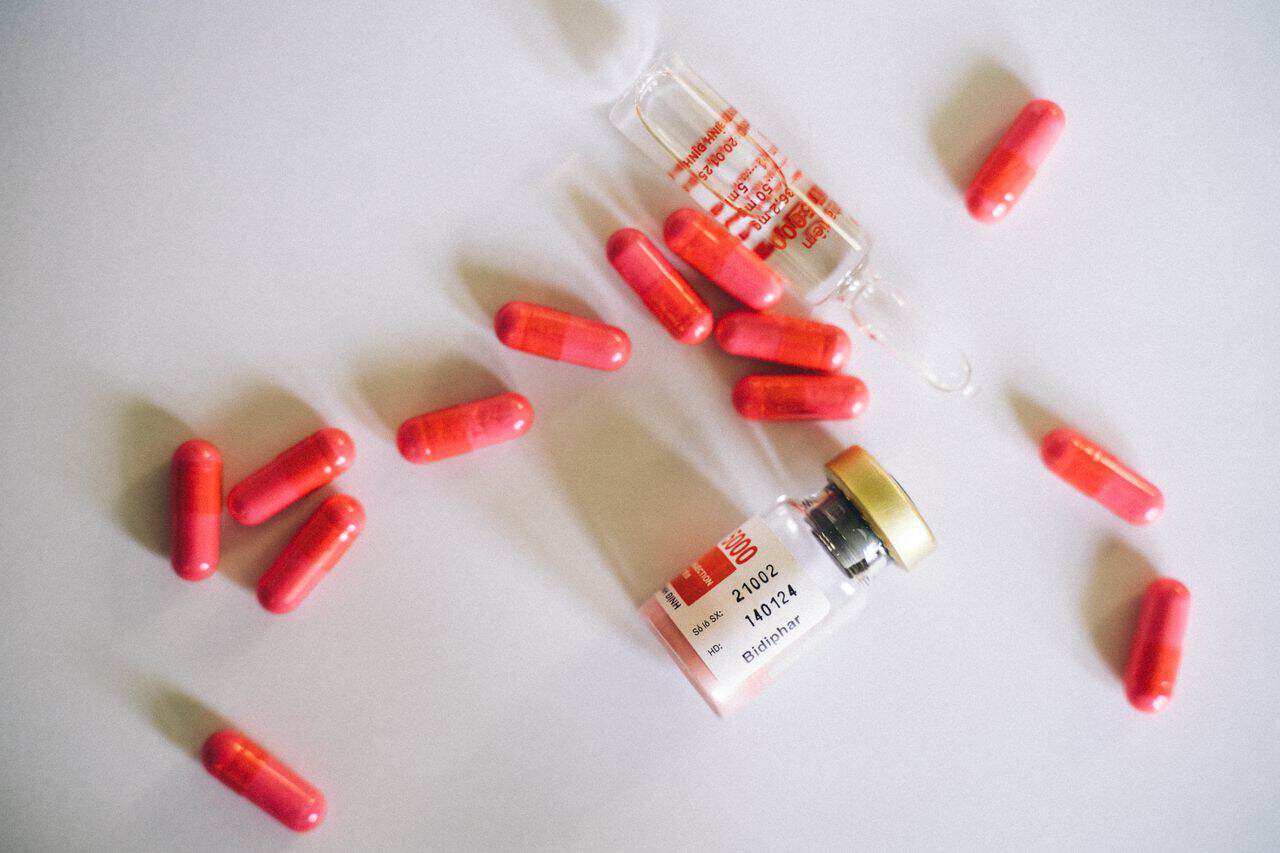

Medicines promoted online are not ordinary consumer products.
A seller cannot avoid pharmaceutical regulation simply by describing a substance as a wellness product, research peptide, slimming injection or lifestyle treatment. Where a product falls within the legal definition of a medical product, its importation, marketing, advertising, storage, dispensing and sale may each require separate regulatory approval.
This distinction has attracted renewed attention following enforcement action by the Emirates Drug Establishment concerning peptide-based products promoted for weight loss.
The authorities reportedly identified numerous sources involved in advertising, selling or facilitating access to unauthorised products. The action also extended to licensed establishments and social media influencers, demonstrating that pharmaceutical enforcement is no longer limited to conventional pharmacies or physical sellers.
The broader legal issue is therefore not confined to one category of weight-loss product.
It concerns a rapidly expanding online market in which medicines and experimental substances may be promoted through social media, messaging applications, wellness clinics, personal trainers, informal resellers and e-commerce accounts without the approvals required under UAE law.
Depending on the conduct involved, the consequences may include regulatory fines, suspension or cancellation of licences, closure of establishments, criminal prosecution and civil liability where a consumer suffers harm.
Why Pharmaceutical Products Are Regulated Differently
Medicines can affect human health even when purchased voluntarily and used outside a hospital or clinic.
Their safety may depend on:
- accurate ingredients;
- controlled manufacturing;
- approved storage conditions;
- appropriate dosage;
- medical supervision;
- known contraindications;
- interaction with other medicines;
- sterile handling;
- reliable labelling; and
- monitoring of adverse reactions.
A product that appears genuine may be contaminated, incorrectly dosed, improperly stored or unsuitable for the individual using it.
For this reason, UAE pharmaceutical regulation controls the entire supply chain rather than focusing only on the final sale.
Legal requirements may apply to:
- manufacturing;
- importing;
- exporting;
- warehousing;
- distributing;
- marketing;
- advertising;
- prescribing;
- dispensing;
- administering; and
- selling medical products.
A business may therefore possess a general commercial licence yet still lack authority to conduct the pharmaceutical activity concerned.
What Is a Medical Product?
The legal classification of a product depends on its nature, intended use, composition, presentation and regulatory status.
A substance may be treated as a medical product where it is intended to diagnose, prevent, treat or manage a medical condition, modify a physiological function or produce a therapeutic effect.
The classification does not necessarily depend on the label selected by the seller.
Calling an injectable substance:
- a wellness product;
- a supplement;
- a cosmetic treatment;
- a research compound;
- a metabolic aid;
- an anti-ageing peptide; or
- a performance product
does not remove it from pharmaceutical regulation where its actual composition and intended use indicate otherwise.
Regulators may consider how the product is described, what claims are made, how it is administered and what consumers are told it will achieve.
Unapproved Medicines and Prescription Medicines Are Not the Same
Several legal categories are frequently confused.
An unapproved medical product
This is a product that has not obtained the required marketing approval for lawful circulation in the UAE.
The fact that a medicine is approved in another country does not necessarily authorise its commercial importation or sale in the UAE.
A prescription-only medicine
This is a product that may be lawfully available but can only be dispensed following a valid prescription issued by an authorised healthcare practitioner.
Selling an approved prescription medicine without the required prescription may still constitute a violation.
A counterfeit medical product
This may involve false identity, origin, packaging, composition or branding. The product may imitate a legitimate medicine while containing incorrect, ineffective or dangerous ingredients.
An adulterated or unfit product
A medicine may be genuine in origin but become unsafe because of contamination, deterioration, expiry, incorrect storage or interference with its composition.
A smuggled medical product
This refers broadly to products brought into or circulated within the UAE outside the lawful importation and regulatory process.
These categories may overlap, but they do not necessarily attract identical legal treatment.
Who May Import or Distribute Medicines?
Importation and distribution of medical products are regulated pharmaceutical activities.
A person or company cannot ordinarily import medicines for commercial sale merely because it possesses:
- an e-commerce licence;
- a general trading licence;
- a health and wellness licence;
- a social media account;
- an overseas supplier agreement; or
- access to international delivery services.
The business must hold the authorisations required for the particular pharmaceutical activity and product.
The product itself may also require marketing approval, and the lawful supply chain may need to involve approved manufacturers, marketing-right holders, warehouses, distributors and pharmacies.
UAE law provides criminal penalties for carrying out the importation, exportation, distribution, marketing or promotion of medical products without the required licence. The applicable penalty may include imprisonment for between six months and two years and a fine between AED 50,000 and AED 200,000, or either penalty.
Can an Ordinary Business Sell Prescription Medicines?
Generally, no.
Non-pharmaceutical establishments are prohibited from importing, marketing, selling, displaying, storing or otherwise circulating medical products that require a prescription.
This means that a salon, gym, online store, wellness business, consultancy or general trading company cannot lawfully sell prescription medicine merely because a customer requests it or claims to understand the risks.
The same concern arises where the business acts as an intermediary rather than holding the stock directly.
Depending on the arrangement, regulated activity may still occur where a person:
- takes orders;
- receives payment;
- arranges delivery;
- refers customers to an unauthorised supplier;
- earns commission on sales;
- markets the product;
- stores products temporarily; or
- facilitates access through private messages.
Regulators are likely to examine the substance of the arrangement rather than the title used by the participants.
Can a Pharmacy Dispense Prescription Medicine Without a Prescription?
A pharmacy licence does not authorise unrestricted dispensing.
A licensed pharmacist is prohibited from dispensing a medical product requiring a prescription unless a valid prescription is presented.
The prescription must satisfy the applicable legal and professional requirements, including being issued by an authorised practitioner and containing sufficient information concerning the medicine, dosage and patient.
A pharmacist is also prohibited from selling products that:
- are unfit for consumption;
- are defective;
- have expired;
- lack required marketing approval;
- are known to be adulterated;
- are known to be smuggled; or
- entered the UAE unlawfully.
These restrictions apply independently of consumer demand. A customer’s willingness to purchase the product does not release the pharmacist from professional responsibility.
What About Medicines Sold Through Social Media?
Selling through Instagram, TikTok, WhatsApp, Telegram or another digital channel does not avoid pharmaceutical law.
The relevant questions remain:
- Is the product approved?
- Is the seller licensed?
- Does the product require a prescription?
- Is the advertisement authorised?
- Is the supplier part of the lawful distribution chain?
- Can the storage and transport conditions be verified?
- Is the person providing medical advice authorised to do so?
Online sales may create additional risk because the seller can reach large numbers of consumers quickly and may operate without a visible commercial premises.
Digital evidence may also make enforcement easier. Posts, direct messages, payment records, delivery instructions, promotional codes and customer communications can all help establish the nature and scale of the activity.
Can Influencers Promote Medicines?
Influencers are not exempt from pharmaceutical advertising rules.
UAE law prohibits advertising or promoting medical products through visual, written, audio or social media channels without the required approval from the Emirates Drug Establishment.
Restrictions may apply even where the influencer does not physically possess or dispatch the product.
Potentially relevant conduct may include:
- recommending the medicine;
- demonstrating its use;
- making therapeutic claims;
- publishing before-and-after results;
- directing followers to a seller;
- providing discount codes;
- accepting commission;
- linking to an order page;
- arranging purchases through private messages; or
- presenting an unapproved product as safe or clinically established.
The description of the post as personal experience does not necessarily prevent it from being treated as promotion where there is a commercial relationship or call to purchase.
Promotional approval and influencer advertising compliance are separate issues. An influencer may satisfy general media requirements while still promoting a medical product without the necessary pharmaceutical approval.
Does a Disclaimer Protect the Seller or Influencer?
Not necessarily.
Online advertisements frequently include phrases such as:
- “for educational purposes only”;
- “not medical advice”;
- “results may vary”;
- “consult your doctor”;
- “research use only”; or
- “buyer assumes all risk”.
A disclaimer cannot automatically legalise an activity that requires a licence or regulatory approval.
Authorities may consider the advertisement as a whole.
Where the content describes dosage, expected weight loss, therapeutic effects, purchasing instructions or personal results, a general disclaimer may carry limited weight.
Similarly, a consumer cannot contract out of public-health protections merely by accepting terms and conditions.
What Does “Research Use Only” Mean?
The description “research use only” is commonly applied to peptides and other experimental compounds sold online.
Properly used, the term may indicate that a substance is supplied for controlled laboratory research and not for human consumption or treatment.
It should not be used as a device to sell an unapproved treatment to the public.
A seller may face heightened scrutiny where the product is labelled for research while the surrounding conduct demonstrates that it is being supplied for:
- injection;
- weight loss;
- muscle development;
- anti-ageing;
- hormone management;
- recovery;
- appetite suppression; or
- another human therapeutic purpose.
Evidence of syringes, dosage instructions, injection videos, patient testimonials or treatment packages may contradict the research-only description.
The legal assessment will focus on the true purpose of the supply.
Can a Clinic Sell or Administer the Product?
A healthcare or wellness licence does not automatically authorise every treatment.
A clinic must act within:
- the scope of its facility licence;
- the professional scope of its practitioners;
- the regulatory status of the product;
- applicable prescribing rules;
- storage and administration standards; and
- requirements imposed by the competent health authority.
The involvement of a licensed doctor or nurse does not necessarily make an unapproved product lawful.
Healthcare practitioners may also face restrictions on prescribing products for unapproved uses or recommending products that have not obtained marketing approval, except in narrowly defined circumstances governed by law.
Compassionate use, medically justified off-label use and authorised clinical research should not be confused with commercial supply of experimental products through an ordinary clinic.
What About Compounding Pharmacies?
Pharmaceutical compounding can serve a legitimate clinical purpose by preparing medication for the specific needs of a patient.
It is not a general route for reproducing or commercialising unapproved treatments.
Compounding pharmacies remain subject to requirements governing:
- licensing;
- prescriptions;
- authorised ingredients;
- qualified personnel;
- quality controls;
- traceability;
- sterility;
- storage;
- labelling;
- patient-specific preparation; and
- inspection.
A compounded product should not be promoted as though it were a mass-market consumer medicine where the legal conditions for commercial manufacturing and marketing have not been satisfied.
The recent scrutiny of peptide products demonstrates why regulators may examine whether compounding arrangements are genuinely patient-specific or are being used to facilitate wider supply.
Are Weight-Loss Injections Always Prescription Medicines?
The classification depends on the particular substance and its regulatory status.
Several recognised weight-management medicines require medical assessment and prescription because they may carry contraindications, dosage requirements and risks of adverse effects.
Other substances promoted online may not be approved for weight loss or for human use at all.
Consumers should not assume that a product is lawful or safe because:
- it is injectable;
- it resembles an approved medicine;
- it is sold in professional packaging;
- a fitness influencer recommends it;
- it is available overseas;
- a person wearing medical clothing demonstrates it; or
- the seller claims that no prescription is necessary.
The identity and approval status of the exact product must be confirmed.
Counterfeit and Smuggled Medicines Carry More Serious Consequences
The penalties become substantially more serious where the activity involves counterfeit, fraudulently altered, unfit or unlawfully imported medical products.
Under the applicable federal legislation, counterfeiting or adulterating a medical product, selling it, bringing it into the UAE unlawfully or smuggling it may attract imprisonment and a fine ranging from AED 200,000 to AED 1 million.
The court may also order additional measures, including temporary or permanent closure of the pharmaceutical establishment and withdrawal of its licence.
Counterfeit medicines are especially dangerous because consumers may believe they are purchasing an authentic and clinically tested product.
Differences in packaging can be difficult to identify, while the actual contents may contain:
- no active ingredient;
- too much active ingredient;
- the wrong substance;
- contaminants;
- non-sterile material; or
- toxic components.
Controlled and Semi-Controlled Products
Some medicines are subject to enhanced controls because of their potential for abuse, dependence or diversion.
The legal consequences of unlawful possession, prescribing, dispensing or circulation may be more serious where the product is classified as controlled or semi-controlled.
Violations involving semi-controlled medical substances may attract imprisonment for between one and five years and fines between AED 100,000 and AED 500,000, or either penalty, depending on the applicable offence.
The regulatory classification should therefore be confirmed before any product is imported, prescribed, stocked, advertised or sold.
Administrative and Professional Sanctions
Criminal penalties are not the only risk.
The Emirates Drug Establishment, the Ministry of Health and Prevention or the competent health authority may impose disciplinary or administrative sanctions on licensed establishments and practitioners.
Depending on the violation, consequences may include:
- warnings;
- administrative fines;
- temporary licence suspension;
- professional suspension;
- licence cancellation;
- removal from professional registers; and
- temporary or permanent closure.
Pharmaceutical establishments may face administrative fines reaching AED 1 million, while pharmacy practitioners may face fines reaching AED 500,000 under the disciplinary framework.
Administrative accountability does not prevent separate criminal prosecution or civil claims where the facts justify them.
Can Company Owners and Managers Be Personally Liable?
Potentially, yes.
Operating through a company does not necessarily protect every individual involved from responsibility.
Depending on the offence and the evidence, authorities may investigate:
- the licence holder;
- establishment owner;
- responsible pharmacist;
- medical director;
- prescribing practitioner;
- manager;
- beneficial owner;
- online account operator;
- person controlling the stock;
- person receiving the payments; and
- individuals who knowingly participated in promotion or distribution.
Personal liability will depend on the applicable legal provisions and the person’s actual involvement, authority and knowledge.
Using an employee, influencer, delivery driver or intermediary does not necessarily insulate the person directing the activity.
Civil Liability Where a Consumer Is Harmed
A consumer who suffers injury may have civil claims in addition to any regulatory or criminal proceedings.
Potential claims may concern:
- physical injury;
- medical treatment costs;
- loss of income;
- long-term disability;
- psychological harm;
- consequential loss; and
- death.
The claimant would ordinarily need to establish the relevant legal elements, including fault, damage and causation.
Potential defendants may include the seller, supplier, clinic, healthcare practitioner, manufacturer, importer or another participant in the supply chain, depending on the circumstances.
An influencer may also face scrutiny where misleading claims materially contributed to the consumer’s decision, although liability will depend on the facts and legal basis relied upon.
Does Consumer Consent Remove Liability?
No.
A consumer’s agreement to purchase or use an unapproved product does not automatically legalise its supply.
Public-health and pharmaceutical licensing rules protect interests extending beyond the immediate transaction. They are not ordinarily displaced by a private waiver.
Consent may also be legally questionable where the consumer was misled about:
- approval status;
- ingredients;
- dosage;
- expected benefits;
- side effects;
- medical supervision;
- authenticity; or
- the seller’s qualifications.
A person cannot provide properly informed consent where essential information has been concealed or misrepresented.
Can Individuals Import Medicines for Personal Use?
Personal importation is legally different from commercial importation, but it is not unrestricted.
The applicable requirements may depend on:
- the medicine;
- quantity;
- prescription status;
- controlled classification;
- traveller’s medical documents;
- duration of treatment;
- approval requirements; and
- method of entry into the UAE.
A limited personal-use permission does not authorise resale, redistribution or promotion.
A person who repeatedly imports quantities inconsistent with personal treatment or supplies products to others may be treated as conducting commercial or regulated activity.
Individuals should confirm the applicable requirements before carrying medicines into the UAE or arranging international delivery.
What Should Pharmacies and Clinics Do?
Licensed healthcare businesses should review their controls across the entire medicine lifecycle.
Practical safeguards include:
- sourcing only from authorised suppliers;
- verifying marketing approval;
- checking product classification;
- documenting prescriptions;
- maintaining temperature and storage records;
- controlling access to stock;
- monitoring expiry dates;
- retaining batch and traceability information;
- approving all advertising before publication;
- reviewing compounded products;
- training staff on online sales restrictions; and
- escalating suspicious requests.
Businesses should also monitor their employees’ personal promotional activity where it could be associated with the establishment.
An unauthorised social media post can create regulatory exposure even where it was not part of the clinic’s formal advertising campaign.
What Should Influencers and Marketing Agencies Do?
Influencers and agencies should conduct basic regulatory due diligence before accepting a pharmaceutical campaign.
They should verify:
- the identity of the advertiser;
- whether the seller is licensed;
- whether the product has marketing approval;
- whether public advertising is permitted;
- whether the advertisement itself has approval;
- whether therapeutic claims are supported;
- whether the product requires a prescription;
- whether the content targets vulnerable consumers; and
- whether the commercial relationship is properly disclosed.
They should not rely solely on assurances from the brand.
The campaign brief, approval documents and final content should be retained in case the advertisement is later questioned.
What Should Online Platforms and Marketplaces Consider?
Platforms hosting pharmaceutical advertisements or sales may also face commercial and regulatory pressure to prevent unlawful activity.
Appropriate controls may include:
- verification of pharmaceutical licences;
- restrictions on prescription products;
- product-approval checks;
- monitoring of prohibited claims;
- complaint and takedown procedures;
- preservation of seller information;
- cooperation with authorities; and
- repeat-offender controls.
Private messaging does not eliminate risk. A public advertisement that directs consumers into private transactions may still form part of the promotional and sales process.
Warning Signs for Consumers
Consumers should exercise caution where a seller:
- does not request a prescription;
- refuses to identify the pharmacy or supplier;
- accepts payment through a personal account;
- offers unusually low prices;
- promises guaranteed weight loss;
- describes the product as “research only” while giving injection instructions;
- removes packaging or labels;
- cannot provide batch information;
- offers delivery without temperature controls;
- discourages medical consultation;
- sells through disappearing messages; or
- claims the product is legal merely because it is available abroad.
A polished online profile is not proof of regulatory approval.
Why the Recent Enforcement Action Matters
The recent action concerning peptide-based weight-loss products demonstrates how the pharmaceutical market has changed.
Regulatory attention is no longer confined to factories, warehouses and pharmacies.
The modern supply chain may involve:
- overseas laboratories;
- local clinics;
- compounding pharmacies;
- online resellers;
- social media personalities;
- delivery businesses;
- payment intermediaries; and
- consumers recruited through private digital groups.
Each participant may perform a different role, but authorities can examine the full commercial chain.
The inclusion of influencers in the reported referrals is particularly significant. It reinforces that promotion is itself a regulated activity and may attract scrutiny even where the promoter does not manufacture or dispense the product.
Conclusion
Prescription and unapproved medicines cannot be treated as ordinary online merchandise in the UAE.
The law regulates who may import, distribute, prescribe, advertise, dispense and sell medical products. It also distinguishes between approved medicines, prescription-only products, experimental substances, counterfeit products and controlled materials.
A general commercial licence, social media following or overseas supplier relationship does not replace pharmaceutical authorisation.
Depending on the conduct involved, unlawful activity may result in imprisonment, substantial fines, closure, licence cancellation and civil claims from injured consumers.
For pharmacies, clinics, influencers and digital sellers, the central compliance question is not simply whether there is demand for the product.
It is whether the product, the seller, the advertisement and every stage of the supply chain are legally authorised.
Al Kabban & Associates
For businesses seeking guidance, Al Kabban & Associates, with over 30 years of experience in UAE law and recognition by Legal 500, stands ready to help corporations build resilience against legal risks while ensuring compliance with local and international standards. For more information or to schedule a consultation, contact us at +971 4 453 9090 or visit www.alkabban.com. You can also follow us on social media for more updates on everything law related in the UAE: @Alkabban_Law
ALSO READ –
UAE’s 15% Minimum Tax for Multinationals: New FTA Registration Rules Explained
Remote Legal Consultations Arrive in Abu Dhabi as Judicial Services Move Further Online