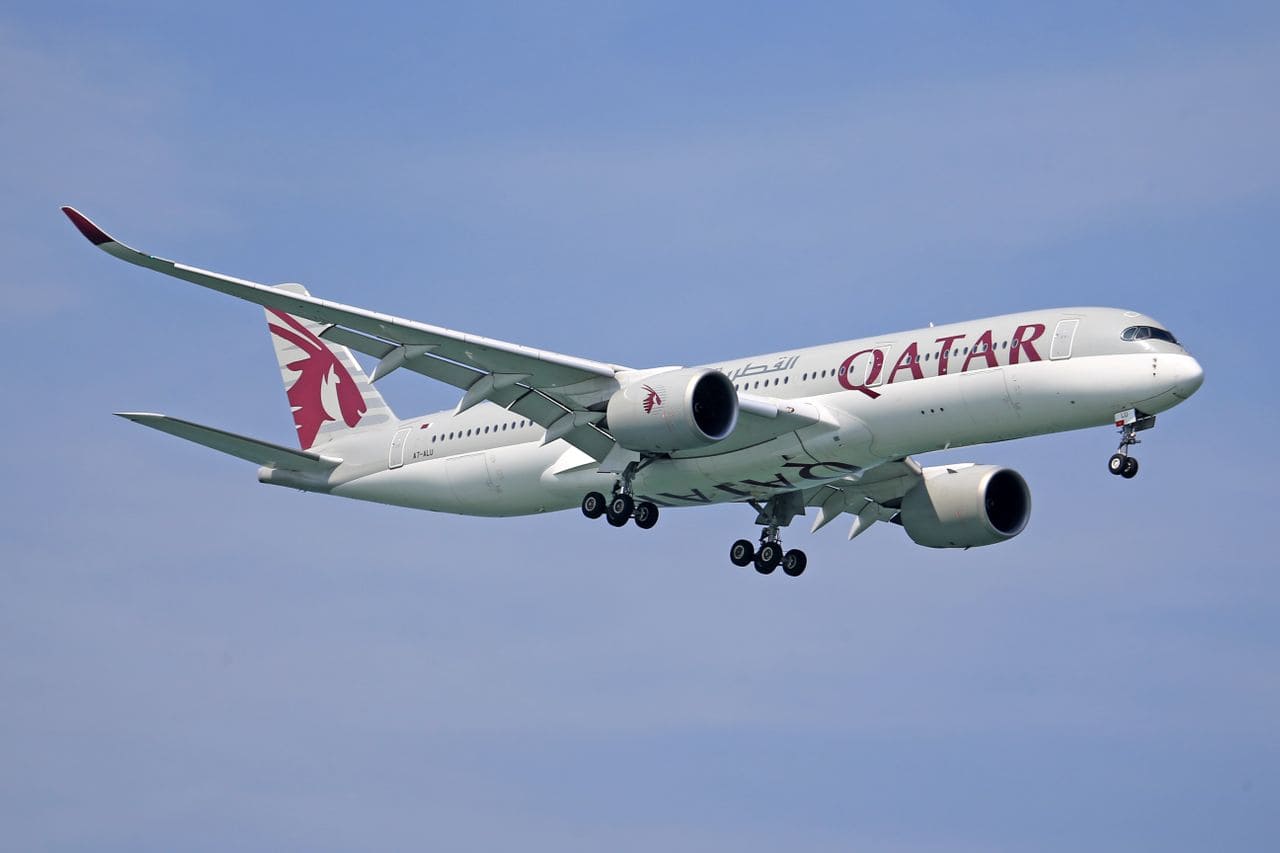

A recently filed lawsuit against Qatar Airways has drawn international attention following the tragic death of a teenage passenger who allegedly suffered a fatal allergic reaction during a flight from Doha to New York. According to the court filings, the family claims the passenger informed cabin crew of his severe food allergies before accepting a meal and alleges that the airline’s response during the subsequent medical emergency was inadequate. Qatar Airways has not publicly responded to the allegations, and the claims remain before the courts.
While the facts of the case will ultimately be determined through legal proceedings, the lawsuit raises broader questions that extend far beyond a single airline or a single incident.
When a medical emergency occurs at 35,000 feet, what legal responsibilities does an airline owe its passengers? When can an airline be held liable, and how do international aviation laws govern these situations?
Understanding these legal principles is important for both travellers and businesses operating in the aviation sector.
Do Airlines Owe Passengers a Legal Duty of Care?
In general, yes.
Airlines owe passengers a legal duty to exercise reasonable care throughout the period of carriage. However, the precise nature and extent of that duty depend on several factors, including the applicable national law, the contractual terms of carriage, international aviation treaties and the specific circumstances of the incident.
Importantly, the existence of a medical emergency does not automatically mean an airline has acted negligently.
Courts typically examine whether the airline acted reasonably in light of the information available at the time and whether its crew followed applicable procedures, regulatory requirements and accepted industry practices.
Each case turns on its own facts.
Does Informing the Airline About a Medical Condition Matter?
One of the central issues frequently arising in aviation litigation concerns prior notification.
Passengers with serious allergies, chronic illnesses or other medical conditions are often encouraged to notify airlines before travelling and, where appropriate, again during boarding.
If an airline has been informed of a known medical condition, that information may become relevant when assessing whether appropriate steps were taken in response to a subsequent emergency.
However, prior notification does not automatically create liability.
Courts may consider factors such as:
- the information provided by the passenger;
- the airline’s published policies;
- any representations made by airline staff;
- whether the passenger carried appropriate emergency medication;
- the actions taken by the cabin crew once the emergency developed; and
- the operational limitations inherent in an aircraft environment.
Determining liability requires a careful assessment of all the surrounding circumstances rather than focusing on any single event.
What Are Airlines Generally Expected to Do During an In-Flight Medical Emergency?
Commercial airlines operate within a highly regulated environment and are generally required to maintain emergency procedures and specified medical equipment in accordance with applicable aviation regulations.
Although requirements vary depending on the jurisdiction and aircraft operation, airlines commonly maintain emergency medical kits, oxygen equipment and, in many cases, automated external defibrillators (AEDs). Cabin crew also receive training in emergency response and are often supported by ground-based medical advisory services when significant medical events occur.
The precise legal question is not whether an emergency occurred but whether the airline responded in a manner consistent with its legal obligations and the applicable standard of care.
Can an Airline Be Held Legally Liable?
Potentially, yes.
Like many negligence claims, liability generally depends upon whether four essential elements can be established:
- a legal duty was owed;
- that duty was breached;
- the breach caused or materially contributed to the injury; and
- legally recoverable damage resulted.
The existence of a medical emergency alone is not sufficient to establish liability.
Likewise, a tragic outcome does not automatically mean that an airline acted negligently.
Instead, courts examine the available evidence, witness testimony, medical records, operational procedures and expert opinions before determining whether legal responsibility exists.
Why International Flights Present Additional Legal Challenges
Claims arising from international flights frequently involve more than one country’s legal system.
Questions may arise regarding:
- which country’s courts have jurisdiction;
- which law applies to the dispute;
- whether international treaties govern the claim;
- where proceedings should be commenced; and
- the types of damages that may be recoverable.
Many international passenger claims are governed, at least in part, by the Montreal Convention of 1999, which establishes a framework for airline liability in relation to international carriage by air. Depending on the circumstances, the Convention may determine where claims can be brought, the basis of liability and certain aspects of recoverable compensation.
For this reason, cross-border aviation disputes are often significantly more complex than ordinary personal injury litigation.
Why Every Aviation Case Is Different
Although high-profile aviation incidents often generate widespread media attention, legal outcomes depend on evidence rather than headlines.
Factors that may influence the outcome of an aviation claim include:
- the passenger’s medical history;
- communications before and during the flight;
- compliance with airline procedures;
- crew training and response;
- medical expert evidence;
- aircraft equipment; and
- the applicable legal framework.
No two cases are identical.
Accordingly, it is rarely appropriate to draw conclusions regarding liability before all the evidence has been examined by the court.
Why This Matters
The recent lawsuit serves as an important reminder that air travel involves a complex legal relationship between passengers and carriers.
While airlines owe important legal duties to those they transport, determining whether those duties have been breached requires careful analysis of the facts, applicable regulations and international legal principles.
For passengers, understanding their rights includes appreciating the importance of notifying airlines of serious medical conditions, complying with published travel guidance and carrying any prescribed emergency medication.
For airlines, the case reinforces the continuing importance of robust operational procedures, effective crew training and adherence to established safety protocols.
Conclusion
Medical emergencies aboard commercial aircraft present some of the most challenging situations faced by both passengers and airlines.
Although the recent proceedings involving Qatar Airways remain before the courts, the case highlights broader legal principles that apply throughout international aviation.
Ultimately, determining legal responsibility requires far more than examining the outcome of an incident. It demands a careful assessment of the facts, the applicable law and the standard of care expected in one of the world’s most highly regulated industries.
Al Kabban & Associates
For businesses seeking guidance, Al Kabban & Associates, with over 30 years of experience in UAE law and recognition by Legal 500, stands ready to help corporations build resilience against legal risks while ensuring compliance with local and international standards. For more information or to schedule a consultation, contact us at +971 4 453 9090 or visit www.alkabban.com. You can also follow us on social media for more updates on everything law related in the UAE: @Alkabban_Law
ALSO READ –
Who Pays When You Are Scammed? Understanding the UAE’s New OTP Fraud Protection Rules
Can a Private WhatsApp Message Become a Criminal Offence in the UAE?
UAE Sets Social Media Age Limit at 15: What the New Rules Mean for Parents, Children and Platforms