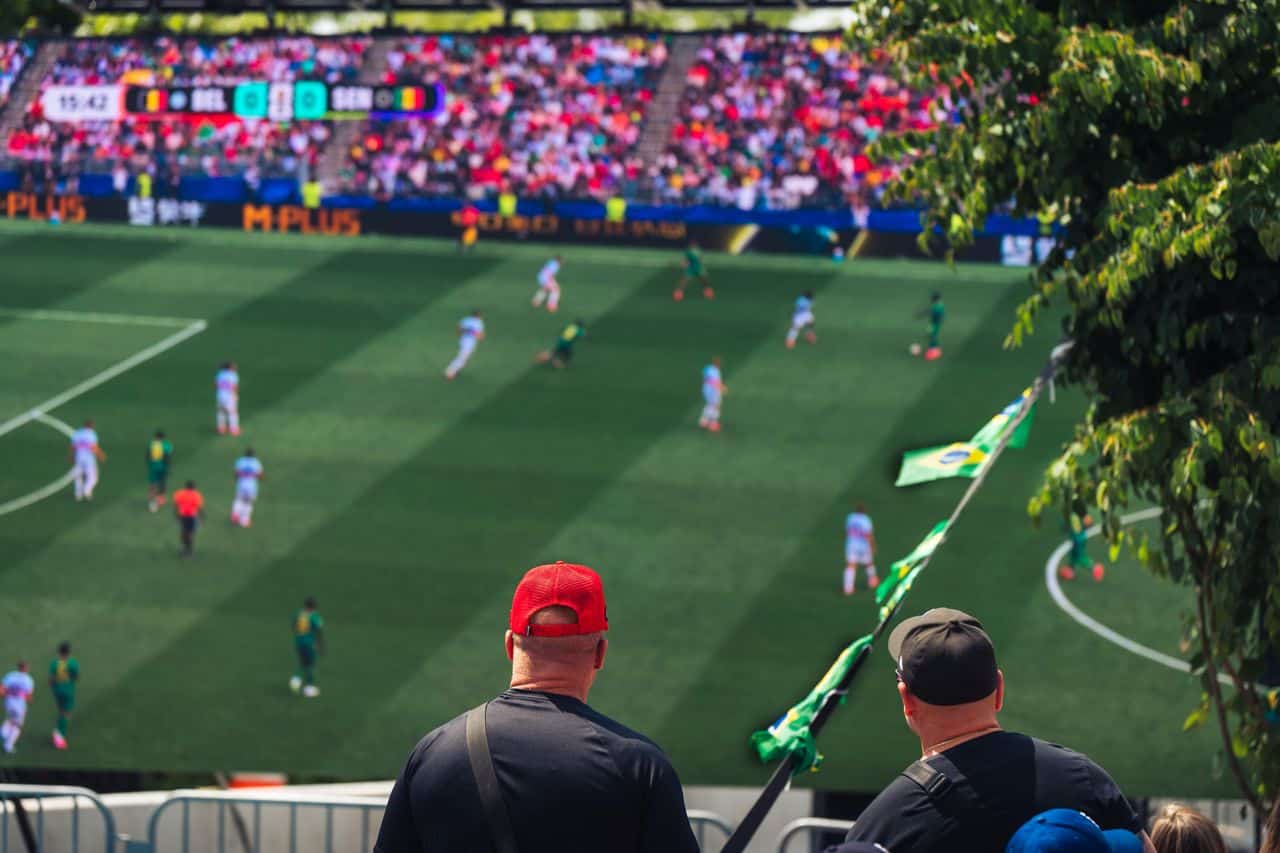

Major sporting events such as the FIFA World Cup bring more than excitement to restaurants, cafés, hotels and sports venues. They also present valuable commercial opportunities for businesses seeking to attract customers through live match screenings.
However, before promoting a public viewing event, businesses should be aware that broadcasting a live sporting event in a commercial setting may involve legal obligations extending well beyond simply subscribing to a television service.
Recent reminders issued by the UAE Ministry of Economy and Tourism reinforce an important principle of intellectual property law: publicly screening copyrighted broadcasts generally requires appropriate authorisation.
For businesses, understanding these legal requirements is essential to avoiding unnecessary legal and commercial risk.
Why Public Screenings Are Different From Watching at Home
Many people assume that purchasing a television subscription automatically entitles them to show live sporting events to customers.
In reality, there is an important legal distinction between private viewing and public commercial screenings.
A domestic subscription is typically intended for personal or household use.
Once a broadcast is shown within a commercial environment—such as a restaurant, hotel, sports bar or event venue—it may constitute a public performance of copyrighted content that requires separate licensing or authorisation from the relevant rights holder.
This distinction exists to protect the significant investments made by sports organisations, broadcasters and licensed distributors that acquire exclusive commercial broadcasting rights.
Copyright Protects More Than the Match Itself
Although the football match takes place on the field, the television broadcast itself is protected by intellectual property laws.
Broadcasting organisations invest substantial resources in producing live coverage, commentary, graphics, camera feeds and distribution infrastructure.
These broadcasts represent valuable intellectual property that cannot necessarily be reproduced or publicly communicated without permission.
Accordingly, businesses should not assume that access to a television channel automatically permits commercial use of that content.
Which Businesses May Require Authorisation?
Depending on the circumstances, businesses that publicly screen major sporting events may include:
- Restaurants.
- Cafés.
- Hotels.
- Sports bars.
- Shisha cafés.
- Clubs and lounges.
- Fan zones.
- Event organisers.
- Community venues.
Businesses promoting live screenings as part of their commercial offering should ensure they understand the applicable licensing requirements before advertising the event.
Why Compliance Matters
Failure to obtain the necessary authorisation may expose businesses to legal consequences under the UAE’s intellectual property framework.
Depending on the circumstances, unauthorised commercial screenings may give rise to issues concerning:
- Copyright infringement.
- Breach of broadcasting rights.
- Commercial licensing obligations.
- Civil claims by rights holders.
- Regulatory enforcement.
In addition to legal exposure, businesses may also face reputational risks associated with failing to comply with intellectual property laws.
More Than a FIFA World Cup Issue
Although the current focus is on the FIFA World Cup, the underlying legal principles apply much more broadly.
The same considerations may arise when businesses publicly screen:
- International football tournaments.
- Formula One races.
- Boxing events.
- UFC events.
- Cricket tournaments.
- Tennis championships.
- Concert broadcasts.
- Other premium live sporting or entertainment events.
As the UAE continues to strengthen its intellectual property framework, businesses should approach all commercial screenings with appropriate legal and licensing considerations in mind.
Practical Steps for Businesses
Before organising public screenings, businesses should consider:
- Confirming whether their existing subscription permits commercial use.
- Determining whether additional licences or authorisations are required.
- Reviewing promotional materials to ensure compliance with applicable intellectual property rights.
- Seeking legal advice where uncertainty exists regarding broadcasting rights or commercial licensing obligations.
Taking these steps in advance can significantly reduce legal risk while ensuring that customers enjoy major sporting events through fully authorised channels.
Conclusion
Major sporting tournaments provide excellent opportunities for businesses to engage customers and increase footfall.
However, commercial opportunities must be balanced with compliance obligations.
The recent reminder from the UAE Ministry of Economy and Tourism serves as an important reminder that broadcasting rights are valuable intellectual property protected by law.
Businesses intending to publicly screen FIFA World Cup matches, or any other premium live sporting events, should ensure they understand the relevant licensing requirements before the first whistle is blown.
Al Kabban & Associates
For businesses seeking guidance, Al Kabban & Associates, with over 30 years of experience in UAE law and recognition by Legal 500, stands ready to help corporations build resilience against legal risks while ensuring compliance with local and international standards. For more information or to schedule a consultation, contact us at +971 4 453 9090 or visit www.alkabban.com. You can also follow us on social media for more updates on everything law related in the UAE: @Alkabban_Law
ALSO READ –
Selling Counterfeit Goods in the UAE: The Legal Risks Businesses Should Know
Is Dubai Moving Away From the Traditional Rental Cheque System?
UAE Sets Social Media Age Limit at 15: What the New Rules Mean for Parents, Children and Platforms