
Automation and robotics are transforming manufacturing operations across the UAE, driving efficiency, precision, and scalability while introducing new layers of legal risk and responsibility. Within the framework of Industrial & Manufacturing Law, the deployment of automated systems is not merely a technical upgrade but a regulated operational decision that carries defined liability implications. Manufacturers in Dubai and across the UAE must ensure that the integration of robotics and automated technologies aligns with safety, product liability, contractual, and regulatory obligations to protect both operations and stakeholders.
The Legal Context of Automation in Manufacturing
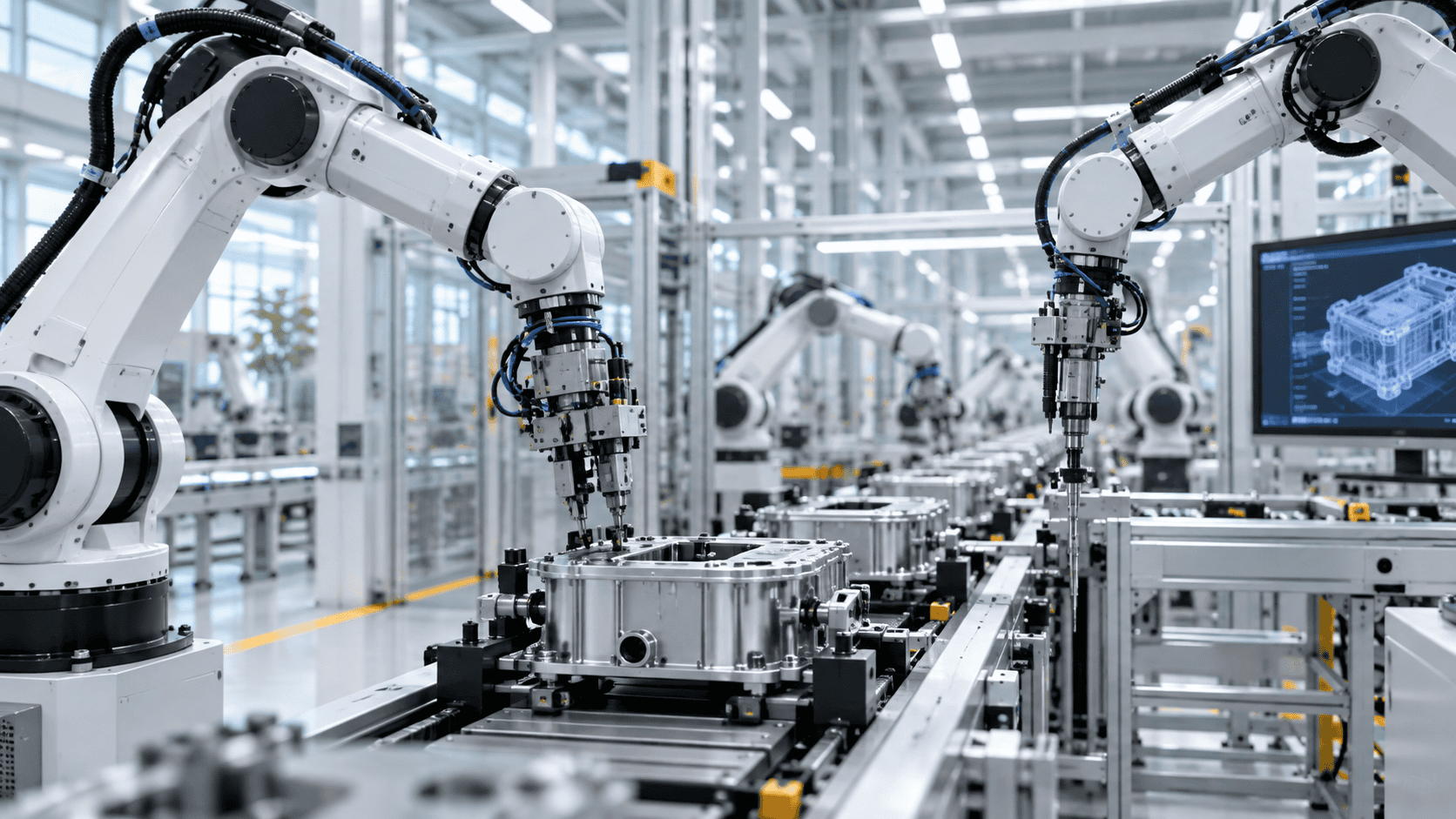
Automation in manufacturing encompasses a wide spectrum of technologies, including robotic assembly lines, autonomous material handling, AI-driven quality control, and predictive maintenance systems. While UAE law does not regulate automation through a single statute, liability and compliance obligations arise under multiple legal regimes, including workplace safety, product liability, environmental regulation, and contract law.
Manufacturers remain legally responsible for their operations regardless of the level of automation. The introduction of autonomous systems does not dilute duties of care owed to employees, customers, or third parties, and authorities assess compliance based on outcomes rather than the degree of human involvement.
Workplace Safety and Employer Liability
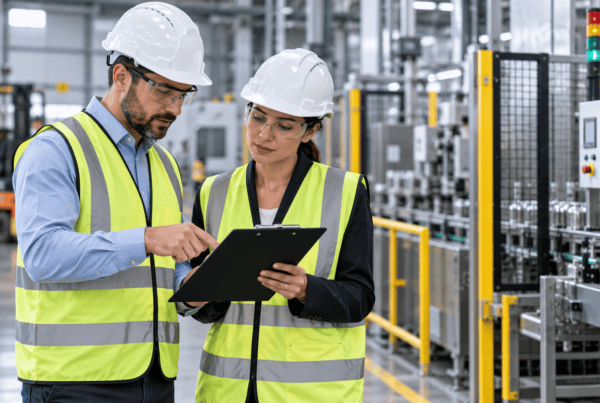
Robotics and automated machinery introduce specific occupational safety risks, including mechanical failure, software errors, and human-machine interaction hazards. Employers are required to assess these risks and implement appropriate safeguards, including physical barriers, emergency stop systems, and access controls.
Employer liability for workplace injury is not reduced by the use of automated systems. Where an accident occurs, authorities examine whether the manufacturer conducted proper risk assessments, provided adequate training, and maintained equipment in safe working condition. Failure in any of these areas may result in fines, operational restrictions, or civil liability.
Product Liability and Defective Automation Systems
Automation systems used in manufacturing may themselves be products subject to liability rules. Defects in robotic equipment, control software, or integrated systems can cause injury, property damage, or production losses. Liability may arise from design defects, manufacturing defects, or inadequate instructions and warnings.
Manufacturers deploying automation must distinguish between liability as an operator and liability as a producer where systems are developed in-house or customised. Even where third-party vendors supply automation solutions, the manufacturing operator may remain exposed to claims if defective systems are used in production.
Allocation of Liability in Automation Contracts
Contracts governing the supply, installation, and maintenance of automated systems play a central role in managing liability. Vendor agreements should clearly define responsibilities for system performance, safety compliance, software updates, and fault remediation.
Indemnity and limitation of liability clauses are commonly used to allocate risk between manufacturers and automation providers. However, contractual protections do not override regulatory obligations or eliminate exposure to third-party claims. Poorly drafted contracts often fail to provide meaningful protection when disputes arise.
Software, AI, and Decision-Making Accountability
As automation increasingly relies on software and artificial intelligence, questions of accountability become more complex. Automated decision-making systems may affect quality control, inventory management, or safety responses, yet errors may not be immediately traceable to human action.
From a legal perspective, responsibility remains with the manufacturing operator. Authorities and courts assess whether systems were properly designed, tested, monitored, and supervised. Over-reliance on autonomous decision-making without adequate human oversight increases liability exposure.
Maintenance, Updates, and Lifecycle Risk
Automated systems require ongoing maintenance, calibration, and software updates to operate safely and effectively. Liability may arise where failures result from outdated software, neglected maintenance, or unauthorised modifications.
Manufacturers must implement structured maintenance regimes and document compliance. Reliance on vendors does not absolve operators of responsibility for ensuring that systems remain safe throughout their lifecycle.
Regulatory Compliance and Inspections
Authorities may inspect automated manufacturing facilities to assess compliance with safety and operational standards. Inspections often focus on system safeguards, employee training, incident response procedures, and documentation.
Where automation introduces new risks, regulators expect proactive mitigation measures. Failure to adapt compliance systems to reflect increased automation may be treated as negligence rather than oversight.
Data, Cybersecurity, and Operational Risk
Modern automation systems generate and rely on large volumes of data. Cybersecurity breaches affecting robotic systems can disrupt production, compromise safety, or expose sensitive information. While cybersecurity is often treated as an IT issue, its impact on automated manufacturing carries legal consequences.
Manufacturers may face liability where inadequate security measures allow interference with automated systems, particularly if incidents result in injury or environmental harm. Integrating cybersecurity controls into automation governance is therefore a legal as well as technical necessity.
Insurance and Risk Transfer
Automation changes the risk profile of manufacturing operations, requiring reassessment of insurance coverage. Traditional policies may not fully address risks associated with robotics, software failure, or autonomous systems.
Manufacturers should review insurance arrangements to ensure adequate coverage for automation-related incidents, including product liability, business interruption, and third-party claims. Insurance complements but does not replace compliance and contractual risk management.
Governance and Legal Oversight
Effective management of automation and robotics liability requires integrated governance. Manufacturers should establish clear accountability for automation strategy, risk assessment, and compliance monitoring. Legal review should form part of system selection, contract negotiation, and operational deployment.
Legal advisors support manufacturers in structuring contracts, interpreting regulatory expectations, and responding to incidents involving automated systems. Early legal involvement reduces uncertainty and supports confident adoption of advanced manufacturing technologies.
Conclusion
Automation and robotics offer powerful advantages for manufacturers in the UAE, but they also introduce complex liability considerations that cannot be overlooked. Legal responsibility remains firmly with the manufacturing operator, regardless of technological sophistication. By integrating safety, contractual clarity, governance discipline, and informed legal oversight into automation strategies, manufacturers can harness innovation while managing risk, protecting stakeholders, and maintaining regulatory confidence in an increasingly automated industrial landscape.