
Worker rights and labour law compliance are fundamental pillars of lawful and sustainable manufacturing operations in the UAE, shaping how factories recruit, manage, and protect their workforce. Within the scope of Industrial & Manufacturing Law, labour compliance is not limited to administrative formalities but reflects a legal and ethical duty to ensure fair treatment, workplace safety, and regulatory alignment. Manufacturing businesses in Dubai and across the UAE operate under a structured labour framework designed to balance industrial productivity with the protection of workers’ rights.
The Legal Framework Governing Labour Relations
Labour relations in the manufacturing sector are governed primarily by federal labour legislation, supported by ministerial resolutions and regulatory guidance issued by competent authorities. These laws apply to both local and expatriate workers and regulate the full employment lifecycle, from recruitment and contracting to termination and end-of-service benefits.
Manufacturing employers are legally required to understand and apply these rules consistently across their workforce. Non-compliance may result in administrative penalties, suspension of work permits, operational restrictions, or litigation exposure. Authorities place particular emphasis on sectors with large workforces and physically demanding environments, making manufacturing a frequent focus of regulatory oversight.
Employment Contracts and Terms of Employment
All manufacturing workers must be engaged under valid employment contracts that clearly define job roles, remuneration, working hours, and other key terms. Contracts must comply with statutory requirements and be properly registered where required. Any contractual terms that undermine minimum legal protections are unenforceable and may expose employers to enforcement action.
Manufacturing employers must also ensure that workers fully understand their contractual rights and obligations. Disputes often arise where contract terms are unclear, inconsistently applied, or misaligned with actual working conditions on the factory floor.
Working Hours, Overtime, and Rest Periods
Labour laws regulate maximum working hours, mandatory rest periods, and overtime compensation. Manufacturing operations that run extended shifts or continuous production cycles must carefully structure schedules to remain compliant. Overtime is subject to statutory limits and must be compensated in accordance with the law.
Failure to manage working hours lawfully can lead to worker complaints, inspections, and penalties. Authorities assess not only payroll records but also timekeeping systems and actual working practices when evaluating compliance.
Wages, Benefits, and End-of-Service Entitlements
Timely and accurate payment of wages is a core legal obligation. Manufacturing employers must comply with wage protection requirements, ensuring that salaries are paid through approved systems and within prescribed timeframes. Delayed or incomplete payments are treated as serious violations.
Beyond monthly wages, employers must calculate and provide statutory benefits, including leave entitlements and end-of-service gratuity. Errors in calculating gratuity or deductions are a common source of disputes in the manufacturing sector, particularly where workers have long service histories or variable compensation structures.
Health, Safety, and Dignity at Work
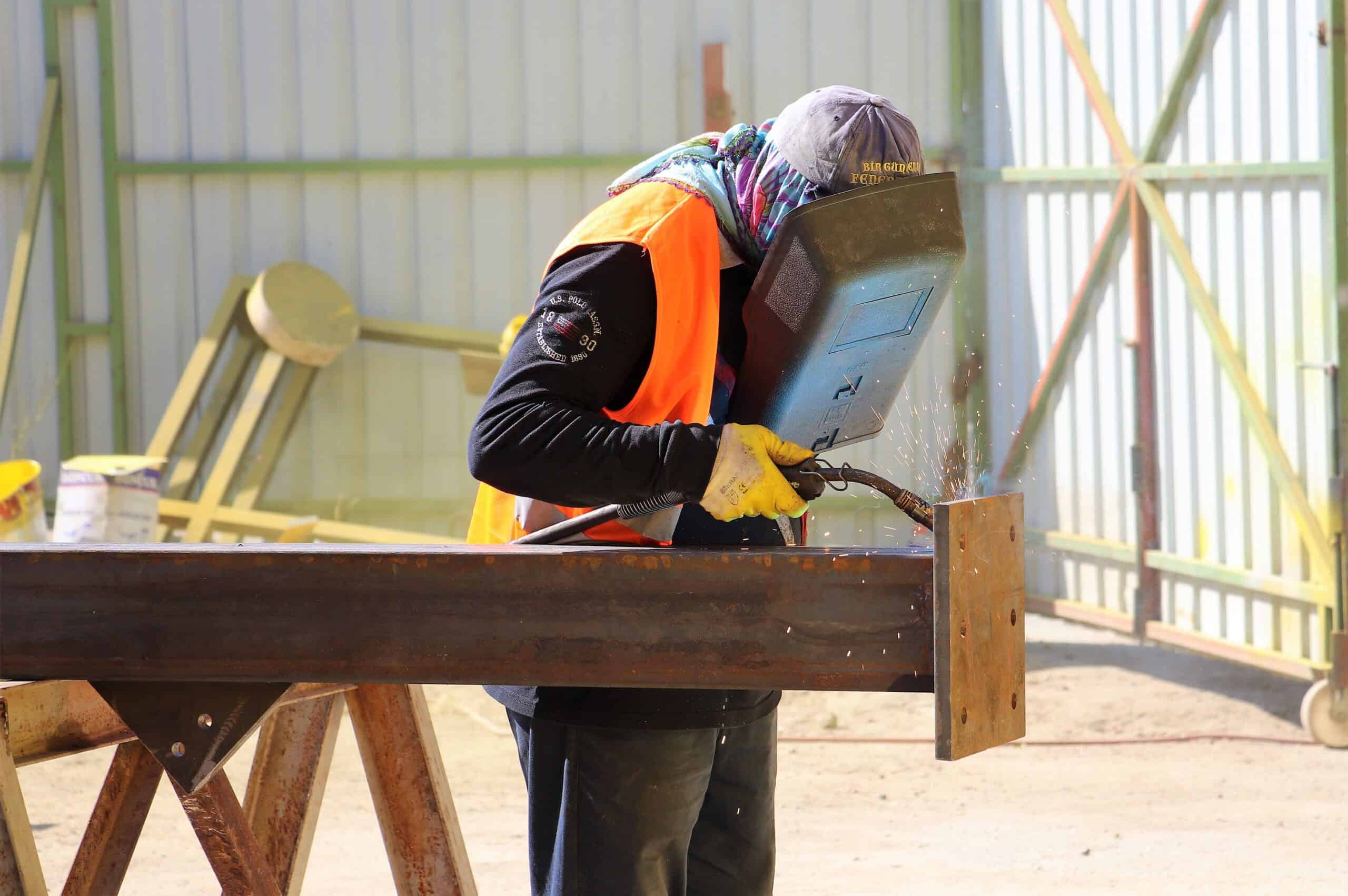
Worker rights in manufacturing extend beyond compensation to include the right to a safe and dignified working environment. Employers are required to provide appropriate safety measures, training, and protective equipment, particularly in factories involving machinery, hazardous substances, or physically demanding tasks.
Workers also have the right to raise safety concerns or report unsafe conditions without fear of retaliation. Any form of abuse, forced labour, or unsafe accommodation arrangements is strictly prohibited and subject to severe enforcement action.
Accommodation and Welfare Standards
Where manufacturing employers provide worker accommodation, strict standards apply. These standards cover space, hygiene, utilities, safety, and access to basic services. Authorities routinely inspect labour accommodation facilities, and non-compliance may lead to fines or suspension of labour-related privileges.
Worker welfare is increasingly viewed as an integral part of labour compliance, particularly for large manufacturing operations employing significant numbers of manual workers.
Disciplinary Procedures and Termination
Labour laws regulate how disciplinary actions and terminations must be carried out. Manufacturing employers must follow fair and documented procedures, ensuring that workers are informed of allegations and given an opportunity to respond. Arbitrary or unlawful termination exposes businesses to compensation claims and regulatory scrutiny.
In cases of redundancy, misconduct, or operational restructuring, legal guidance is critical to ensure that terminations are executed in compliance with statutory requirements and contractual obligations.
Inspections, Complaints, and Enforcement
Labour authorities actively monitor compliance through inspections, audits, and worker complaint mechanisms. Manufacturing plants may be inspected without prior notice, with authorities reviewing contracts, payroll records, accommodation facilities, and on-site working conditions.
Worker complaints are taken seriously and often trigger detailed investigations. Employers that fail to address complaints promptly and transparently face increased enforcement risk and potential escalation to labour courts.
Governance and Legal Oversight in Labour Compliance
Effective labour compliance requires structured governance and ongoing oversight. Manufacturing businesses benefit from clear HR policies, accurate record-keeping, and regular internal audits aligned with legal requirements. As labour laws evolve, employers must adapt policies and practices to remain compliant.
Legal advisors play a central role in interpreting labour regulations, managing disputes, and representing employers in regulatory engagements or litigation. Proactive legal involvement helps manufacturing operators mitigate risk while maintaining a stable and compliant workforce.
Conclusion
Worker rights and labour laws form the backbone of lawful manufacturing operations in the UAE. Compliance is not only a legal necessity but a strategic investment in workforce stability, operational continuity, and regulatory confidence. By respecting worker rights, maintaining transparent employment practices, and engaging informed legal oversight, manufacturing businesses can meet their obligations while building resilient, productive, and compliant industrial operations.