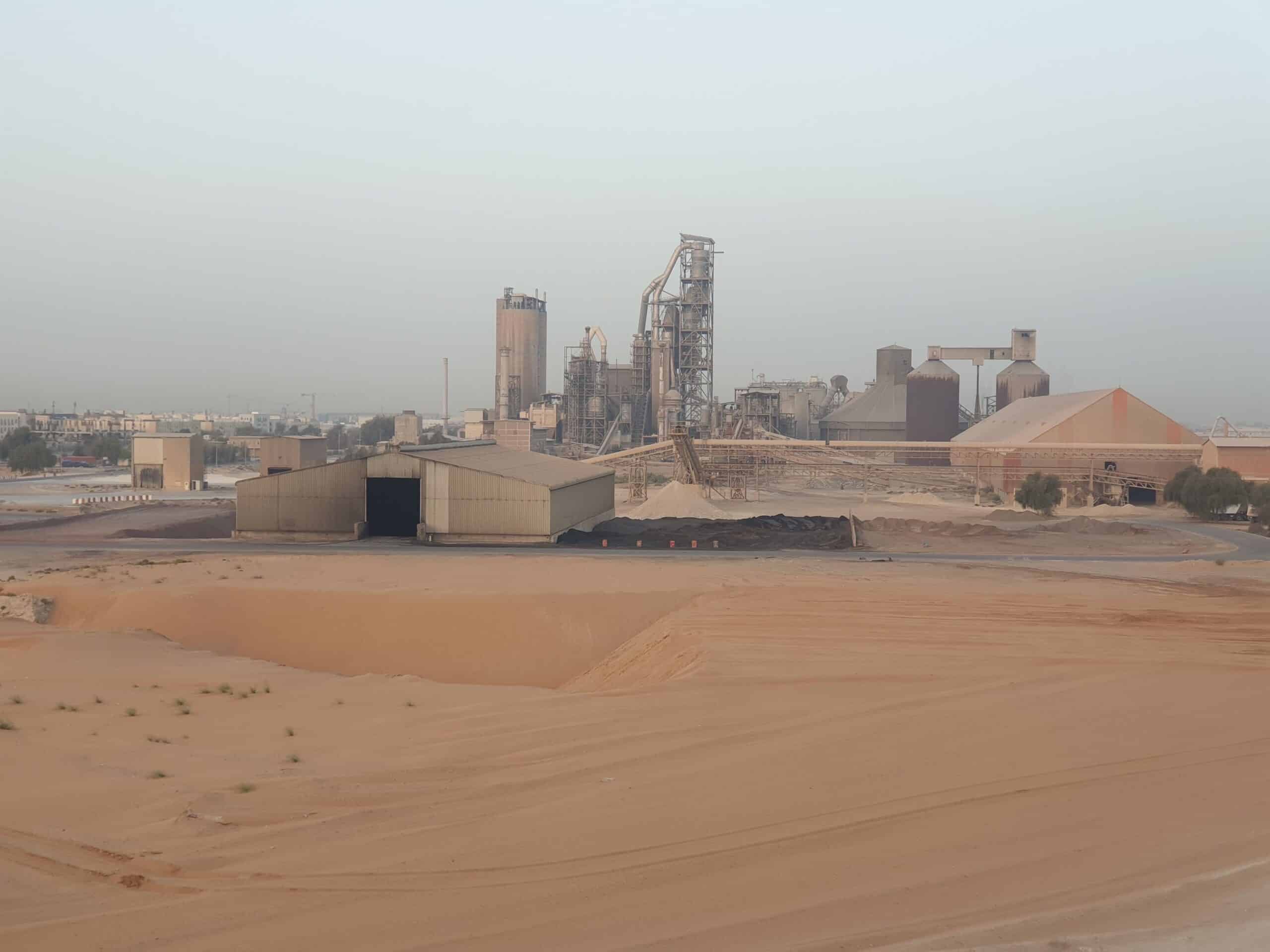

Zoning and land use regulation are foundational legal considerations for establishing and operating industrial facilities in the UAE, directly affecting where factories may be located, how land can be developed, and what activities are legally permitted on a site. Within the framework of Industrial & Manufacturing Law, zoning compliance is not a planning formality but a core regulatory requirement that shapes project feasibility, licensing approval, and long-term operational security. Manufacturers in Dubai and across the UAE must align site selection and facility development with approved land use classifications to avoid delays, enforcement action, or forced relocation.
The Purpose of Zoning and Land Use Regulation
Zoning laws regulate how land may be used within designated areas, separating industrial activities from residential, commercial, and environmentally sensitive zones. These regulations protect public welfare, manage environmental impact, and support orderly urban and industrial development. For manufacturers, zoning determines whether a proposed activity is permissible on a given plot and under what conditions it may operate.
Non-compliance with zoning rules can render an otherwise viable manufacturing project unlawful. Authorities may refuse licences, suspend operations, or require costly modifications where facilities do not conform to approved land use.
Industrial Zoning Classifications
Industrial land in the UAE is typically categorised into specific zoning classifications based on the intensity, risk profile, and environmental impact of activities permitted. Light industrial zones may accommodate assembly, packaging, or low-impact manufacturing, while heavy industrial zones are reserved for activities involving large-scale production, high emissions, or hazardous materials.
Manufacturers must ensure that their intended operations align precisely with the zoning classification of the selected site. Operating outside the approved scope, even where land is generally designated as industrial, may constitute a zoning violation.
Site Selection and Due Diligence
Effective zoning compliance begins with thorough site due diligence. Manufacturers should verify land use designation, permitted activities, development restrictions, and any special conditions attached to the plot. This includes reviewing master plans, zoning maps, and authority approvals applicable to the location.
Failure to conduct proper due diligence may result in investment in land or facilities that cannot be legally used as intended. Rectifying zoning issues after construction or fit-out is often complex, time-consuming, and costly.
Planning Approvals and Development Permissions
Before construction or modification of an industrial facility, manufacturers must obtain planning and development approvals from the relevant authorities. These approvals govern building height, floor area, setbacks, access roads, utilities, and environmental buffers.
Planning permissions are typically conditional and must be implemented exactly as approved. Unauthorised deviations, such as expanding built-up area or altering facility layout, may invalidate approvals and expose the manufacturer to enforcement action.
Change of Use and Expansion Considerations
Manufacturing operations often evolve over time, introducing new production lines, technologies, or ancillary activities. Any material change in use may require additional zoning or planning approvals. Operating new activities without authorisation, even within an existing facility, can breach land use regulations.
Expansion plans must be assessed against zoning limits and infrastructure capacity. Early engagement with planning authorities and legal advisors helps manufacturers anticipate approval requirements and avoid operational disruption.
Environmental and Buffer Zone Requirements
Zoning regulations frequently incorporate environmental considerations, including buffer zones between industrial facilities and residential or commercial areas. These buffers mitigate noise, emissions, traffic, and other impacts associated with manufacturing operations.
Manufacturers must respect buffer requirements when designing facilities and planning site layouts. Encroachment into buffer zones may result in refusal of approvals or restrictions on operating hours and production capacity.
Free Zones and Special Industrial Areas
The UAE offers specialised industrial zones and free zones designed to support manufacturing activity through tailored zoning and infrastructure. These zones often provide pre-approved land use for specific industrial activities, streamlining establishment and licensing.
However, zoning within free zones remains regulated, and manufacturers must comply with zone-specific rules governing facility use, expansion, and modification. Movement of goods or activities between free zones and the mainland may also trigger additional regulatory considerations.
Inspections and Enforcement
Zoning and land use compliance is actively enforced through inspections by planning authorities and municipalities. Inspections may assess actual use of facilities against approved plans and zoning classifications.
Violations can result in warnings, fines, suspension of operations, or orders to rectify non-compliant structures. In serious cases, authorities may require closure or demolition of unauthorised facilities.
Impact on Licensing and Regulatory Compliance
Zoning compliance is closely linked to industrial licensing. Authorities may refuse to issue or renew manufacturing licences where zoning or land use breaches exist. A compliant zoning position is therefore essential to maintaining uninterrupted operations.
Manufacturers must ensure that land use approvals, planning permissions, and operational licences remain aligned throughout the lifecycle of the facility.
Governance and Legal Oversight
Managing zoning and land use compliance requires structured governance and ongoing monitoring. Manufacturers benefit from maintaining accurate records of approvals, conducting periodic compliance reviews, and assessing regulatory implications before making operational changes.
Legal advisors play a critical role in interpreting zoning regulations, liaising with authorities, and resolving disputes. Early legal involvement supports informed site selection, efficient approvals, and protection against enforcement risk.
Conclusion
Zoning and land use regulation are central to the lawful establishment and operation of industrial facilities in the UAE. Compliance determines where manufacturing can occur, how facilities may be developed, and whether operations can expand sustainably. By approaching zoning strategically, conducting thorough due diligence, and engaging informed legal oversight, manufacturers can secure regulatory certainty, protect investments, and operate with confidence in a tightly regulated industrial landscape.