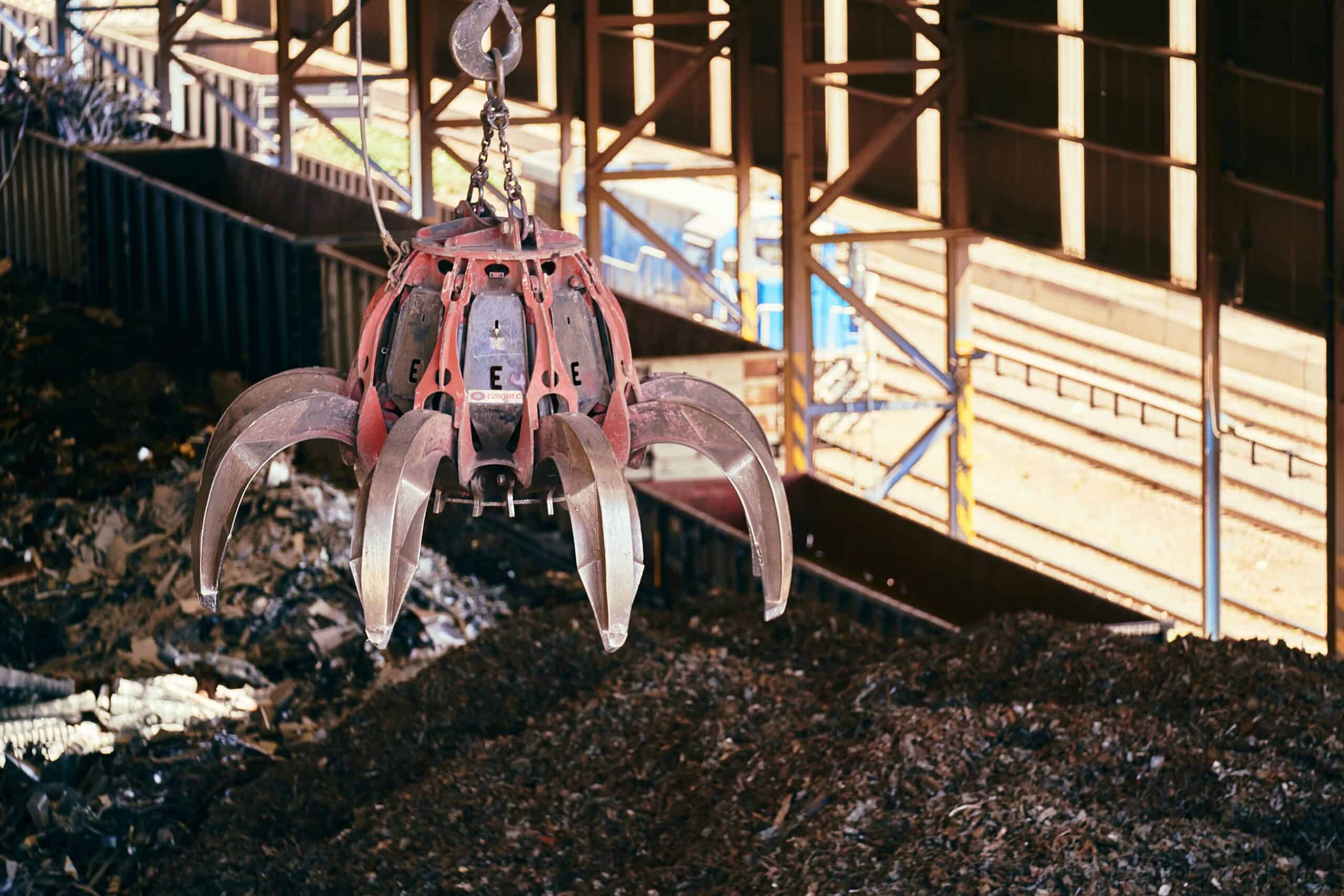

Waste management and industrial pollution compliance are critical legal obligations for manufacturers operating in the UAE, directly affecting environmental protection, regulatory approval, and operational continuity. Within the scope of Industrial & Manufacturing Law, pollution control is treated as a core responsibility rather than a peripheral environmental concern. Manufacturing facilities in Dubai and across the UAE are required to manage industrial waste responsibly, prevent environmental harm, and demonstrate continuous compliance with strict regulatory standards designed to safeguard public health and natural resources.
The Legal Framework Governing Industrial Waste and Pollution
Industrial waste management in the UAE is regulated through a combination of federal environmental legislation, emirate-level regulations, and directives issued by environmental authorities and municipalities. These laws govern how industrial waste is generated, stored, transported, treated, and disposed of, as well as how pollution risks must be mitigated at source.
Manufacturers are legally responsible for the environmental impact of their operations, including pollution caused by waste handling failures, emissions, leaks, or unauthorised disposal. Liability may arise even where pollution is accidental, making preventative systems and documented controls essential.
Classification of Industrial Waste
Effective compliance begins with accurate classification of industrial waste. Manufacturing waste may include general industrial waste, hazardous waste, chemical by-products, sludge, scrap materials, and contaminated packaging. Each category is subject to different handling, storage, and disposal requirements.
Misclassification of waste is a common compliance failure and often leads to enforcement action. Manufacturers must ensure that waste streams are identified correctly and that employees involved in waste handling are trained to apply classifications consistently.
Hazardous Waste Handling and Storage
Hazardous industrial waste is subject to heightened regulatory control due to its potential to cause serious environmental and health harm. Manufacturing facilities generating hazardous waste must implement secure storage systems, use approved containers, and maintain clear labelling and segregation protocols.
Temporary storage of hazardous waste is permitted only under defined conditions and time limits. Exceeding storage thresholds or failing to maintain appropriate containment measures exposes manufacturers to significant penalties and operational restrictions.
Waste Transportation and Disposal Obligations
Industrial waste may only be transported and disposed of through licensed service providers authorised by the relevant authorities. Manufacturers retain legal responsibility for waste until final disposal, even where third-party contractors are engaged.
Documentation plays a critical role in demonstrating compliance. Waste transfer notes, manifests, and disposal certificates must be maintained and made available for inspection. Gaps in documentation or use of unlicensed contractors frequently result in enforcement action.
Industrial Pollution and Emissions Control
Beyond solid and liquid waste, industrial pollution laws regulate emissions to air, soil, and water arising from manufacturing activities. Pollution may result from production processes, equipment malfunction, or inadequate containment systems.
Manufacturers are required to implement pollution prevention measures, including emissions control technologies, monitoring systems, and maintenance protocols. Any exceedance of permitted limits or uncontrolled release must be reported promptly to the authorities, together with remedial actions taken.
Environmental Permits and Operational Conditions
Waste management and pollution control obligations are typically embedded within environmental permits issued to manufacturing facilities. These permits define permissible waste volumes, treatment methods, discharge limits, and monitoring requirements.
Operating outside permit conditions, even unintentionally, constitutes a regulatory breach. Manufacturers must ensure that permit terms are understood at all operational levels and that changes in production processes are assessed for permit impact before implementation.
Inspections, Monitoring, and Reporting
Environmental authorities conduct regular inspections to assess compliance with waste management and pollution control laws. Inspections may involve site visits, sampling, review of records, and interviews with personnel.
Manufacturers are often required to submit periodic environmental reports detailing waste generation, disposal activities, and pollution monitoring results. Inaccurate or incomplete reporting is treated as a compliance failure, regardless of actual environmental impact.
Penalties, Remediation, and Liability
Violations of waste management and industrial pollution laws may result in fines, suspension of operations, permit revocation, or mandatory remediation orders. In serious cases involving environmental harm or repeated non-compliance, criminal liability may arise.
Manufacturers may also face civil liability for environmental damage affecting third parties, including neighbouring businesses or communities. The cost of remediation and compensation often far exceeds the cost of preventative compliance measures.
Waste Reduction and Sustainability Expectations
Regulatory focus is increasingly shifting toward waste reduction, recycling, and sustainable industrial practices. Manufacturers are encouraged, and in some cases required, to implement waste minimisation strategies and resource efficiency measures.
Demonstrating proactive environmental stewardship supports regulatory relationships and reduces long-term compliance risk. Sustainability initiatives, when properly documented and implemented, complement legal compliance and enhance corporate credibility.
Governance and Legal Oversight
Effective waste management compliance requires structured governance, including clear internal responsibility, regular audits, and integration of environmental considerations into operational decision-making. Manufacturers must ensure that environmental compliance is not siloed but embedded across production, maintenance, and procurement functions.
Legal advisors play a vital role in interpreting regulatory obligations, advising on permit conditions, managing enforcement actions, and supporting remediation strategies. Early legal involvement helps manufacturers address issues before they escalate into significant regulatory or financial exposure.
Conclusion
Waste management and industrial pollution law form a central pillar of manufacturing compliance in the UAE. These obligations protect the environment, public health, and the long-term viability of industrial operations. By implementing disciplined waste controls, maintaining accurate documentation, and engaging informed legal oversight, manufacturers can meet regulatory expectations, minimise liability, and operate responsibly within an increasingly stringent environmental framework.