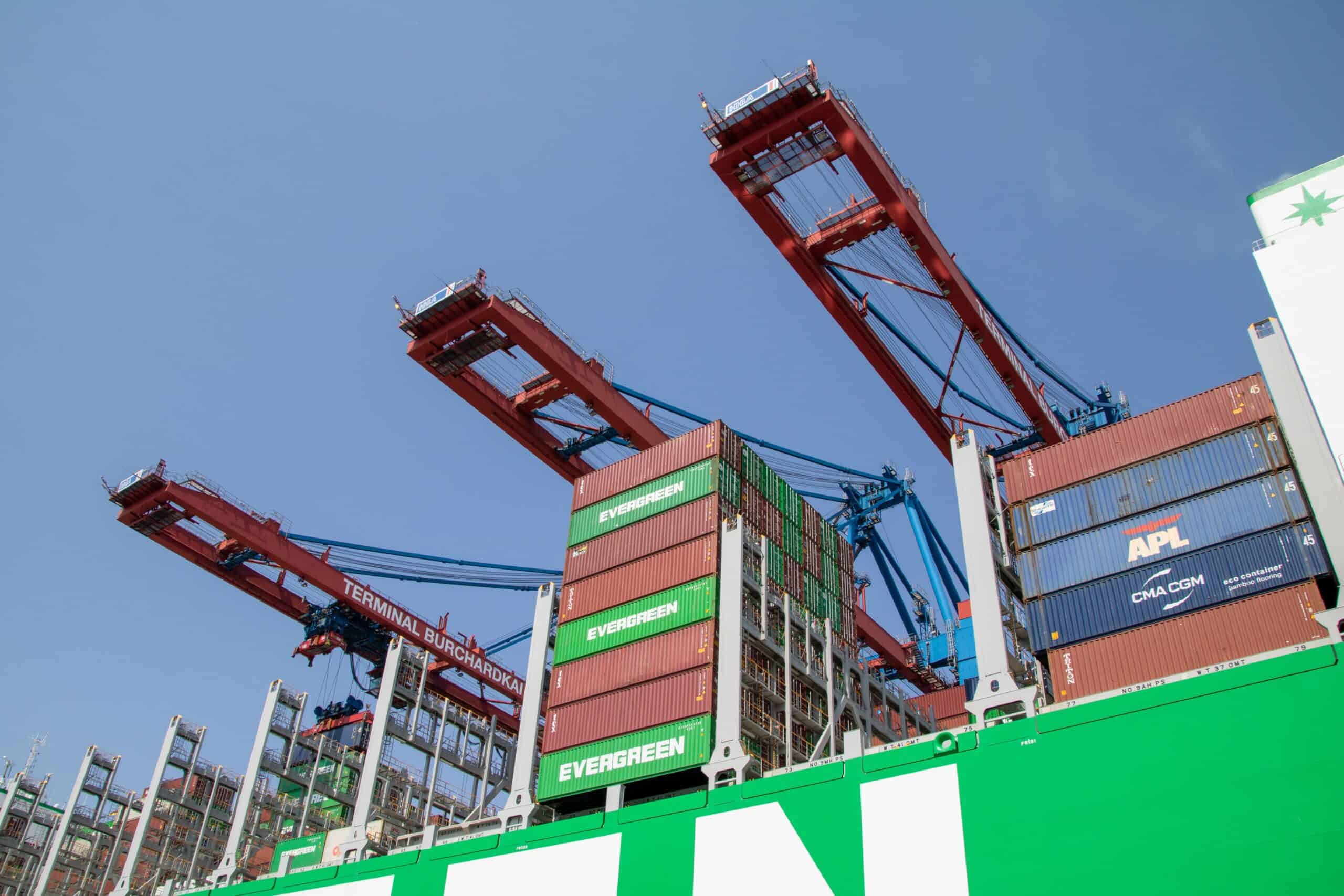

Import and export tariffs and customs compliance are critical operational and legal considerations for manufacturers operating in the UAE, directly influencing cost structures, supply chain efficiency, and market access. Within the framework of Industrial & Manufacturing Law, customs regulation is not a procedural formality but a tightly controlled legal regime governing how raw materials, components, and finished goods enter and exit the country. For manufacturers in Dubai and across the UAE, effective customs compliance is essential to avoiding delays, penalties, and disruptions that can compromise production continuity and commercial performance.
The UAE Customs Framework for Manufacturing
The UAE operates a structured customs system aligned with regional and international trade standards. Federal customs legislation is implemented through local customs authorities at ports, airports, and free zones, each exercising oversight over declarations, inspections, and duty assessments. Manufacturers must comply with both federal requirements and local operational procedures depending on where goods are imported, stored, or exported.
Customs obligations apply to raw materials, semi-finished goods, machinery, spare parts, and finished products. Incorrect classification, undervaluation, or incomplete documentation can trigger inspections, reassessments, and enforcement action, even where non-compliance is unintentional.
Tariff Classification and Duty Assessment
Tariff classification determines the applicable customs duty, restrictions, and regulatory requirements for imported or exported goods. Manufacturers must accurately classify goods under the relevant tariff codes, taking into account product composition, intended use, and technical characteristics.
Misclassification is a common source of customs disputes. Authorities may reclassify goods during inspection, resulting in additional duties, penalties, and retroactive assessments. Manufacturers should implement internal review processes to ensure tariff codes are applied consistently and supported by technical documentation.
Customs Valuation and Transfer Pricing Risks
Customs valuation rules govern how the value of imported goods is calculated for duty purposes. For manufacturers importing from related entities or group companies, valuation is closely scrutinised to ensure that declared values reflect arm’s length pricing.
Improper valuation may result in duty reassessments and allegations of customs evasion. Alignment between customs valuation and transfer pricing documentation is essential, particularly for multinational manufacturing groups operating integrated supply chains.
Import Controls and Regulatory Approvals
Many goods used in manufacturing are subject to import controls beyond customs duties. Machinery, chemicals, electrical equipment, and safety-critical components may require prior approvals, conformity certificates, or technical clearances before customs release.
Failure to secure required approvals can result in shipment detention, storage costs, or forced re-export. Manufacturers must coordinate customs compliance with regulatory approvals to ensure uninterrupted supply of production inputs.
Export Controls and Market Restrictions
Exporting manufactured goods may also involve regulatory controls, particularly for dual-use items, strategic materials, or products subject to international trade restrictions. Export declarations must accurately reflect the nature, value, and destination of goods.
Non-compliance with export controls exposes manufacturers to serious legal consequences, including fines, licence suspension, and reputational damage. Manufacturers engaged in international trade must maintain awareness of destination-specific restrictions and sanctions regimes.
Free Zones and Customs Treatment
The UAE’s free zones offer manufacturing businesses distinct customs advantages, including duty suspension or exemption for goods imported into the zone. However, these benefits are subject to strict conditions and compliance requirements.
Movement of goods between free zones and the mainland triggers specific customs procedures and potential duty liabilities. Manufacturers must manage these transitions carefully to avoid unexpected costs or compliance breaches.
Customs Inspections and Audits
Customs authorities conduct inspections and post-clearance audits to verify compliance with tariff, valuation, and documentation requirements. Audits may review historical transactions, supplier contracts, and internal records.
Manufacturers must retain customs documentation for prescribed periods and be prepared to justify declarations. Inadequate record-keeping or inconsistent practices increase exposure during audits and may result in penalties or corrective orders.
Penalties, Seizures, and Dispute Resolution
Customs violations may result in administrative penalties, seizure of goods, or suspension of import and export privileges. In serious cases, criminal liability may arise. Penalties are often cumulative, reflecting both financial loss and operational impact.
Manufacturers have the right to challenge customs decisions through administrative appeals or legal proceedings. Timely legal intervention is critical in preserving rights and mitigating enforcement consequences.
Integrating Customs Compliance into Manufacturing Operations
Effective customs compliance requires integration with procurement, logistics, finance, and legal functions. Manufacturers benefit from documented customs procedures, staff training, and periodic compliance reviews aligned with operational changes.
Automation and digital customs systems support efficiency but do not replace legal responsibility. Errors entered into electronic systems remain enforceable breaches, underscoring the need for informed oversight.
Legal Oversight and Strategic Planning
Legal advisors play a key role in advising manufacturers on tariff strategy, customs structuring, and regulatory engagement. Proactive legal review supports risk identification, dispute prevention, and efficient resolution of customs challenges.
As trade regulations evolve in response to economic and geopolitical developments, ongoing legal oversight ensures that manufacturing operations remain compliant and commercially agile.
Conclusion
Import and export tariffs and customs compliance are integral to successful manufacturing operations in the UAE. They influence cost competitiveness, supply chain reliability, and regulatory confidence. By adopting disciplined customs governance, maintaining accurate documentation, and engaging informed legal oversight, manufacturers can navigate customs requirements effectively, minimise risk, and support sustainable growth in an increasingly interconnected global trade environment.