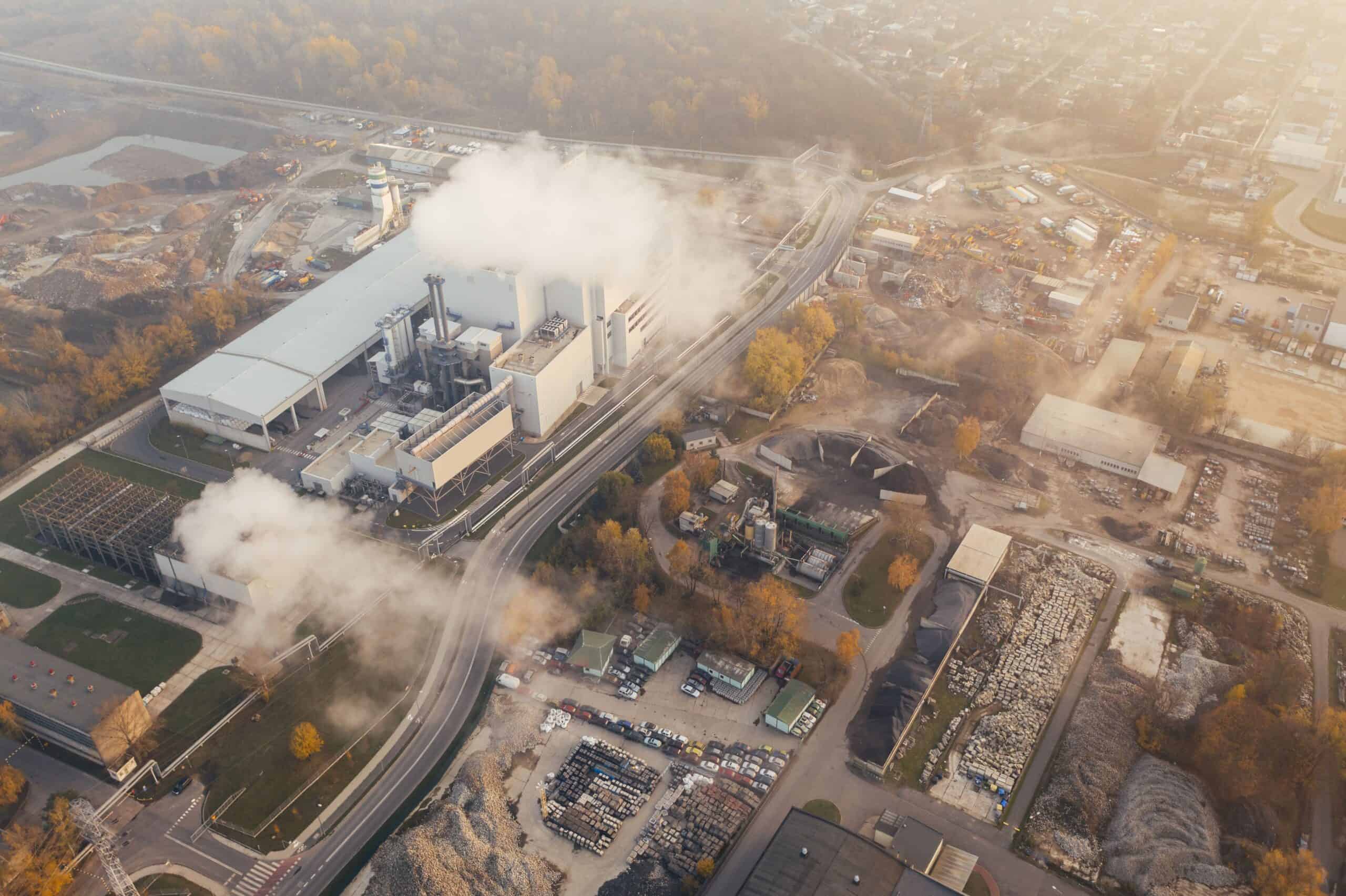

Environmental permitting and emissions control are central compliance obligations for manufacturing and industrial operators in the UAE, reflecting the country’s commitment to sustainable development and responsible industrial growth. Within the scope of Industrial & Manufacturing Law, environmental regulation is not treated as a secondary consideration but as a core operational requirement that directly affects licensing, plant design, daily operations, and long-term expansion. Manufacturing facilities in Dubai and across the UAE must secure the correct environmental permits and maintain strict emissions controls to operate lawfully and protect both commercial continuity and corporate reputation.
The Role of Environmental Permits in Industrial Operations
Environmental permits are formal authorisations issued by competent authorities allowing a manufacturing plant to operate within defined environmental parameters. These permits regulate activities that may impact air quality, water resources, soil integrity, and surrounding communities. They are typically required before construction, commissioning, or modification of industrial facilities and remain subject to renewal, amendment, or suspension based on compliance performance.
Permits are not generic. They are tailored to the specific industrial activity, production capacity, materials used, and location of the facility. Manufacturing plants operating in environmentally sensitive zones or engaging in high-emission processes are subject to enhanced scrutiny and more stringent permit conditions. Any deviation from approved parameters may constitute a regulatory breach.
Environmental Impact Assessments and Project Approval
Many manufacturing projects require an environmental impact assessment prior to receiving operational approval. This assessment evaluates the anticipated environmental effects of the proposed facility, including emissions, waste generation, noise, and resource consumption. Authorities rely on these assessments to determine whether a project may proceed and under what conditions.
An approved assessment forms the foundation of the environmental permit and often dictates ongoing compliance obligations. Inaccurate disclosures or failure to implement approved mitigation measures can expose operators to enforcement action, project delays, or revocation of approvals.
Air Emissions Control and Monitoring
Air emissions are one of the most heavily regulated aspects of industrial activity in the UAE. Manufacturing plants must comply with prescribed limits for pollutants such as particulate matter, volatile organic compounds, and industrial gases. These limits vary depending on the industry sector, production processes, and proximity to residential or commercial areas.
Facilities are typically required to install emissions control systems, such as filtration units or scrubbers, and to conduct regular monitoring to demonstrate compliance. Continuous or periodic emissions reporting may be mandated, with records retained for inspection by regulatory authorities. Failure to monitor or report accurately can itself constitute a violation, regardless of actual emission levels.
Water Discharge and Wastewater Management
Manufacturing plants that generate wastewater or industrial effluent are subject to strict discharge controls. Permits specify permissible discharge volumes and quality standards, whether effluent is released into municipal systems, treated on-site, or disposed of through approved channels. Unauthorised discharge or contamination of water resources carries significant legal and financial consequences.
Operators must implement appropriate treatment systems, maintain operational logs, and conduct regular testing. Any incident involving accidental discharge or system failure must be reported promptly to the relevant authority, with corrective measures documented and implemented.
Hazardous Materials and Industrial Waste
Environmental permits also regulate the handling, storage, transport, and disposal of hazardous materials and industrial waste. Manufacturing plants must classify waste streams accurately and engage licensed service providers for collection and disposal. Improper handling of hazardous substances presents both environmental and occupational safety risks and is a frequent focus of regulatory inspections.
Waste minimisation and segregation practices are increasingly emphasised, aligning regulatory compliance with broader sustainability objectives. Failure to comply with waste management obligations can lead to fines, suspension of activities, or liability for environmental remediation.
Noise, Odour, and Community Impact
Beyond emissions to air and water, environmental permits may impose limits on noise levels, odour emissions, and other impacts affecting surrounding communities. Manufacturing plants must operate within defined thresholds, particularly where facilities are located near residential developments or mixed-use zones.
Complaints from the public often trigger regulatory inspections, making community impact management an important compliance consideration. Proactive monitoring and responsive mitigation measures reduce the risk of enforcement actions and reputational harm.
Inspections, Reporting, and Enforcement
Environmental compliance is actively monitored through inspections, audits, and mandatory reporting. Authorities may conduct routine or unannounced site visits to verify adherence to permit conditions and emissions standards. Manufacturing operators must be able to demonstrate compliance through accurate documentation, functioning control systems, and trained personnel.
Enforcement measures can include corrective orders, financial penalties, temporary shutdowns, or criminal liability in cases of serious environmental harm. Repeat violations or failure to address identified deficiencies significantly increase regulatory exposure.
Strategic Management of Environmental Compliance
Effective management of environmental permits and emissions control requires structured internal governance. This includes assigning responsibility for environmental compliance, conducting internal audits, and integrating regulatory requirements into operational planning and capital investment decisions. As regulations evolve, manufacturing plants must remain agile and informed to maintain compliance.
Legal oversight is critical in interpreting permit conditions, responding to enforcement actions, and managing regulatory engagement. Experienced legal advisors support manufacturers in aligning operational realities with regulatory expectations, mitigating risk while enabling sustainable industrial growth.
Conclusion
Environmental permits and emissions control are not optional or administrative formalities for manufacturing plants in the UAE. They are central legal obligations that directly affect operational viability, expansion plans, and corporate accountability. By approaching environmental compliance with discipline, transparency, and informed legal guidance, manufacturers can operate confidently within the regulatory framework while contributing to the UAE’s long-term environmental and economic objectives.