
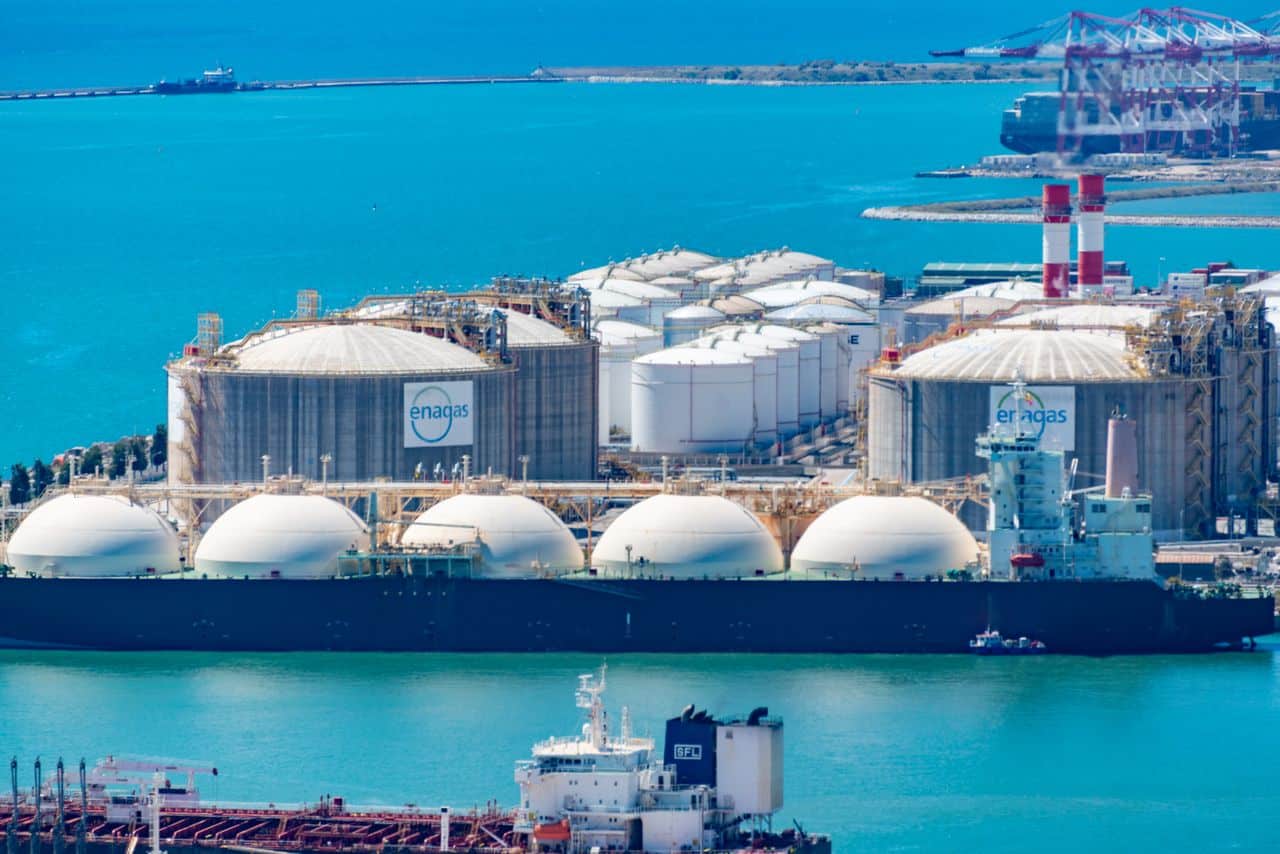

Liquefied natural gas transactions play an increasingly important role in the UAE’s energy strategy, supporting domestic supply security, export diversification, and participation in global gas markets. LNG projects involve complex technical processes, long-term commercial commitments, and cross-border trade, all of which require careful legal structuring. From upstream sourcing and liquefaction through transportation, regasification, and sale, LNG transactions are governed by an integrated legal framework designed to manage risk and ensure regulatory compliance. Within this environment, Oil & Gas Law provides the foundation for structuring LNG arrangements that align commercial objectives with national policy and international market standards.
Regulatory Context for LNG Activities
LNG activities in the UAE operate within a combination of federal legislation, emirate-level authority, and sector-specific regulation. While natural gas resources are subject to state ownership principles, LNG projects introduce additional regulatory considerations due to their international trade dimension and infrastructure intensity. Regulatory oversight typically addresses licensing, environmental protection, safety standards, and export or import controls.
Because LNG transactions often involve cross-border movement of energy commodities, compliance must extend beyond domestic regulation to encompass international trade rules, shipping standards, and foreign regulatory requirements applicable to counterparties and delivery destinations.
Project Structure and Legal Architecture
LNG projects are commonly structured as integrated value chains involving multiple participants, including upstream gas suppliers, liquefaction plant owners, shipping operators, terminal operators, and buyers. Each segment of the chain is governed by separate but interdependent contractual arrangements. Legal architecture must ensure alignment across these agreements to avoid gaps in risk allocation or performance obligations.
Project companies are frequently established to own and operate LNG facilities, with participation by national energy entities and strategic partners. Joint venture arrangements, shareholder agreements, and financing documentation form part of the broader legal framework supporting LNG development.
LNG Sale and Purchase Agreements
The LNG sale and purchase agreement is the core commercial contract governing LNG transactions. These agreements define volume commitments, delivery terms, pricing mechanisms, quality specifications, and payment obligations. LNG SPAs are typically long-term, reflecting the capital-intensive nature of liquefaction and regasification infrastructure.
Pricing provisions may be linked to oil indices, gas benchmarks, or hybrid formulas, and often include review or adjustment mechanisms to address market evolution. Legal certainty in pricing and volume commitments is essential to supporting project financing and long-term commercial stability.
Delivery Terms and Risk Transfer
LNG SPAs specify delivery terms that determine when title and risk transfer from seller to buyer. Common delivery structures include free on board and delivered ex-ship arrangements, each carrying distinct legal and operational implications. These terms affect responsibility for shipping, insurance, port access, and loss or damage during transit.
Clear allocation of delivery risk is critical, particularly given the hazardous nature of LNG and the complexity of maritime transportation. Contractual alignment with international shipping conventions and insurance frameworks supports enforceability and risk management.
Shipping and Maritime Considerations
LNG transportation is subject to maritime law, vessel safety standards, and port regulations. Charterparty agreements govern the use of LNG carriers and allocate responsibility for vessel availability, performance, and compliance with international safety codes.
Legal considerations include vessel suitability, boil-off management, laytime provisions, and liability for delays or incidents. Coordination between shipping contracts and LNG SPAs is essential to avoid conflicting obligations and exposure to unallocated risk.
Regasification and Terminal Access
For importing LNG, access to regasification terminals is governed by terminal use agreements that define capacity rights, scheduling, and operational standards. These agreements may involve state-owned terminal operators and are subject to regulatory oversight.
Terminal access arrangements affect the buyer’s ability to receive and process LNG and therefore carry significant legal and commercial importance. Restrictions on capacity, maintenance schedules, and operational flexibility must be carefully addressed in contract negotiations.
Regulatory Compliance and Environmental Obligations
LNG projects are subject to stringent environmental and safety regulation due to the risks associated with liquefaction, storage, and transportation. Environmental approvals typically address emissions, water usage, marine impact, and emergency response planning. Compliance obligations are embedded in licensing conditions and project documentation.
Failure to comply with environmental or safety requirements can result in regulatory enforcement, operational suspension, or termination of project rights. Continuous compliance monitoring is therefore a core legal requirement throughout the LNG project lifecycle.
Force Majeure and Change in Law
Force majeure provisions are particularly significant in LNG transactions due to exposure to geopolitical events, natural disasters, and infrastructure outages. These clauses define the circumstances under which performance may be excused and the consequences for delivery and payment obligations.
Change in law provisions allocate the impact of regulatory or legislative changes that affect project costs or feasibility. Given the long-term nature of LNG SPAs, these provisions are critical to maintaining contractual balance over time.
Financing and Security Structures
LNG projects are typically financed through complex project finance arrangements that rely on long-term contractual commitments. Lenders assess the enforceability of LNG SPAs, shipping contracts, and terminal agreements as part of their credit analysis.
Security structures may include assignment of contractual rights, step-in rights, and security over project assets or revenue streams. Legal coordination between financing documents and commercial contracts is essential to protect lender interests without undermining operational flexibility.
Dispute Resolution and Governing Law
Given the international nature of LNG transactions, dispute resolution clauses are carefully negotiated. Arbitration is commonly preferred due to its neutrality, confidentiality, and enforceability across jurisdictions. Governing law selection plays a significant role in determining contractual interpretation and remedies.
Well-drafted dispute resolution provisions support efficient resolution of disputes and reduce the risk of prolonged disruption to LNG supply chains.
Conclusion
The legal aspects of LNG transactions in the UAE reflect the complexity and strategic importance of the global gas trade. From regulatory approvals and project structuring to long-term sales contracts and maritime arrangements, LNG transactions require precise legal coordination across multiple disciplines. For participants, success depends on managing regulatory compliance, aligning contractual risk, and maintaining flexibility within long-term commitments. With informed legal guidance, LNG transactions can be structured to support secure supply, commercial resilience, and sustainable participation in international energy markets.


