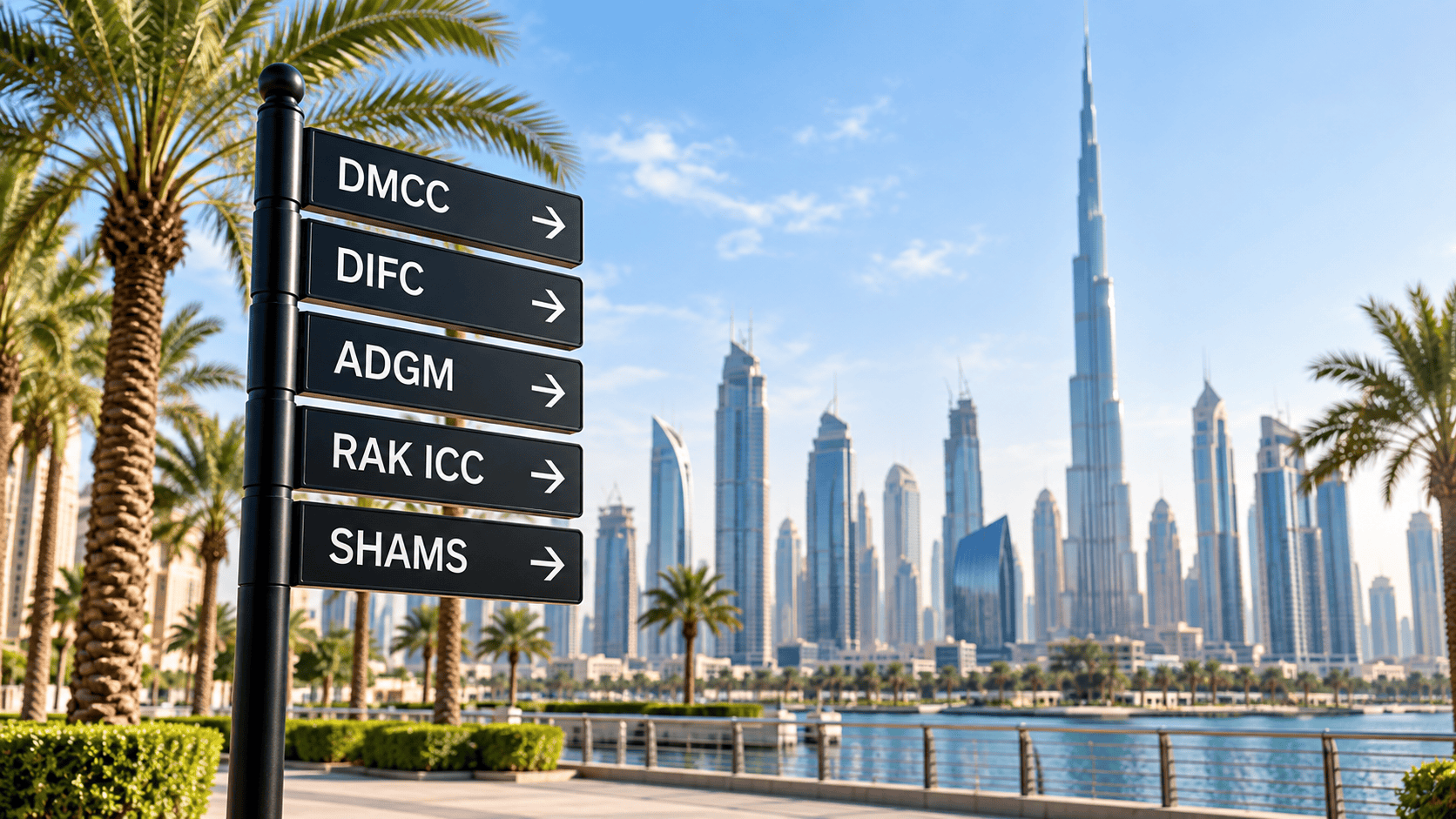

The United Arab Emirates has built one of the world’s most sophisticated ecosystems for international business, and its network of specialized free zones plays a central role in that success. For entrepreneurs and multinational investors evaluating Freezone Company Setup, understanding the differences between these jurisdictions is essential. Each free zone has been designed with a specific commercial focus, offering tailored infrastructure, regulatory frameworks, and incentives that support particular industries. Selecting the right jurisdiction can significantly influence operational efficiency, regulatory compliance, and long-term growth potential.
The Strategic Role of Freezones in the UAE Economy
Free zones are designated economic areas where businesses benefit from investor-friendly regulations designed to encourage foreign investment and international trade. Companies operating in these jurisdictions typically enjoy advantages such as full foreign ownership, streamlined licensing procedures, tax incentives, and simplified customs processes.
Beyond regulatory incentives, the UAE’s free zones provide industry-specific ecosystems that foster collaboration, innovation, and efficient supply chains. By clustering companies within similar sectors, free zones create specialized commercial hubs that attract global talent, investors, and technology partners.
This strategic design has transformed the UAE into a gateway for regional and global commerce, allowing businesses to access markets across the Middle East, Africa, Europe, and Asia.
Dubai Multi Commodities Centre (DMCC)
The Dubai Multi Commodities Centre is widely regarded as one of the most successful free zones in the world. Located in the heart of Dubai’s Jumeirah Lakes Towers district, DMCC has become a global hub for commodity trading and international business.
Primary Industry Focus
DMCC was originally established to facilitate trade in commodities such as gold, diamonds, tea, and energy resources. Over time, it has expanded to accommodate a broad range of sectors including financial services, technology, logistics, and professional services.
Key Advantages
Companies operating in DMCC benefit from advanced infrastructure, strong regulatory frameworks, and direct access to international trading networks. The zone also hosts industry-specific marketplaces such as the Dubai Diamond Exchange and the DMCC Tea Centre, which support global commodity transactions.
Its reputation for regulatory transparency and efficient governance has made DMCC particularly attractive to multinational corporations and global trading firms.
Dubai International Financial Centre (DIFC)
The Dubai International Financial Centre serves as the Middle East’s leading financial services hub. Unlike most free zones, DIFC operates under an independent legal and regulatory framework based on common law principles, providing international investors with a familiar legal environment.
Primary Industry Focus
DIFC specializes in financial services, including banking, asset management, insurance, fintech, and investment advisory. The free zone also hosts a growing ecosystem of financial technology companies and venture capital firms.
Key Advantages
One of DIFC’s defining features is its independent judicial system, including the DIFC Courts and an internationally recognized arbitration center. This legal structure provides strong investor protection and transparent dispute resolution mechanisms.
The district also hosts many of the world’s leading financial institutions, creating a dynamic financial marketplace that connects regional capital with global investment opportunities.
Jebel Ali Free Zone (JAFZA)
Jebel Ali Free Zone is one of the UAE’s largest and oldest free zones, strategically located next to Jebel Ali Port—one of the busiest maritime gateways in the world.
Primary Industry Focus
JAFZA specializes in logistics, manufacturing, distribution, and international trade. Its location adjacent to both a major seaport and Al Maktoum International Airport makes it particularly attractive for companies engaged in supply chain operations.
Key Advantages
Businesses in JAFZA benefit from direct access to global shipping routes, large industrial facilities, and integrated logistics services. The free zone also offers extensive warehousing solutions, manufacturing facilities, and distribution centers designed for high-volume trade.
This infrastructure has made JAFZA a critical hub for multinational corporations operating regional supply chains across the Middle East and Africa.
Dubai Internet City
Dubai Internet City has established itself as the UAE’s premier technology and digital innovation hub. Designed to attract global technology companies, the free zone provides a collaborative environment for software development, digital services, and emerging technologies.
Primary Industry Focus
The free zone focuses on information technology, software development, artificial intelligence, cybersecurity, and digital media. It hosts regional headquarters for some of the world’s most influential technology companies.
Key Advantages
Dubai Internet City provides businesses with access to a vibrant technology ecosystem that includes venture capital firms, incubators, and innovation programs. The free zone’s proximity to Dubai Media City and Dubai Knowledge Park further enhances collaboration between technology, media, and education sectors.
This integrated ecosystem encourages innovation and accelerates the development of digital businesses in the region.
Abu Dhabi Global Market (ADGM)
Abu Dhabi Global Market has emerged as a leading international financial center in the Middle East. Located on Al Maryah Island, ADGM provides a modern regulatory environment designed to attract financial institutions, investment funds, and fintech innovators.
Primary Industry Focus
ADGM specializes in asset management, private banking, fintech, and international financial services. The free zone also supports venture capital firms and investment funds seeking exposure to emerging markets.
Key Advantages
Like DIFC, ADGM operates under a common law framework, providing a transparent and internationally recognized legal system. Its independent courts and regulatory authorities ensure strong governance standards and investor protection.
The free zone also benefits from Abu Dhabi’s position as a global center for sovereign wealth and institutional investment.
Sharjah Media City (Shams)
Sharjah Media City, commonly known as Shams, has rapidly become a preferred jurisdiction for entrepreneurs and creative professionals. The free zone was designed to support startups, freelancers, and small businesses operating in the media and digital sectors.
Primary Industry Focus
Shams focuses on media production, marketing, advertising, publishing, digital content creation, and creative industries.
Key Advantages
One of the defining strengths of Shams is its cost-effective licensing structure, which allows startups and independent professionals to establish businesses with relatively low initial investment.
The free zone also provides flexible office solutions and digital-friendly licensing options that support modern business models such as remote operations and online services.
Ras Al Khaimah Economic Zone (RAKEZ)
Ras Al Khaimah Economic Zone has become one of the UAE’s most versatile and cost-effective free zones. It caters to a wide range of industries while maintaining competitive licensing and operational costs.
Primary Industry Focus
RAKEZ supports manufacturing, trading, e-commerce, consultancy services, and industrial operations. Its infrastructure includes industrial parks, warehouses, and commercial office spaces designed for diverse business activities.
Key Advantages
The free zone offers flexible company structures and cost-efficient licensing packages, making it particularly attractive to small and medium-sized enterprises as well as international manufacturers seeking regional production facilities.
RAKEZ’s strategic location also provides convenient access to seaports, airports, and regional trade corridors.
Choosing the Right Freezone for Your Business
Selecting the appropriate free zone requires careful evaluation of several factors including industry alignment, licensing requirements, operational costs, and long-term expansion plans. Each jurisdiction offers unique advantages designed to support particular sectors, and the right choice can significantly enhance operational efficiency and regulatory compliance.
Businesses must also consider factors such as office requirements, visa allocations, regulatory oversight, and proximity to suppliers or clients. Professional legal guidance can ensure that companies select a jurisdiction that aligns with both their commercial objectives and compliance obligations.
Conclusion
The UAE’s diverse network of free zones reflects the country’s strategic vision of becoming a global hub for trade, innovation, and investment. From financial centers such as DIFC and ADGM to logistics hubs like JAFZA and technology ecosystems such as Dubai Internet City, each free zone offers specialized advantages that support specific industries. Understanding these distinctions allows investors to make informed decisions that strengthen operational efficiency and long-term growth. With the right jurisdiction and proper legal guidance, businesses can fully leverage the UAE’s dynamic free zone environment to expand across regional and global markets.