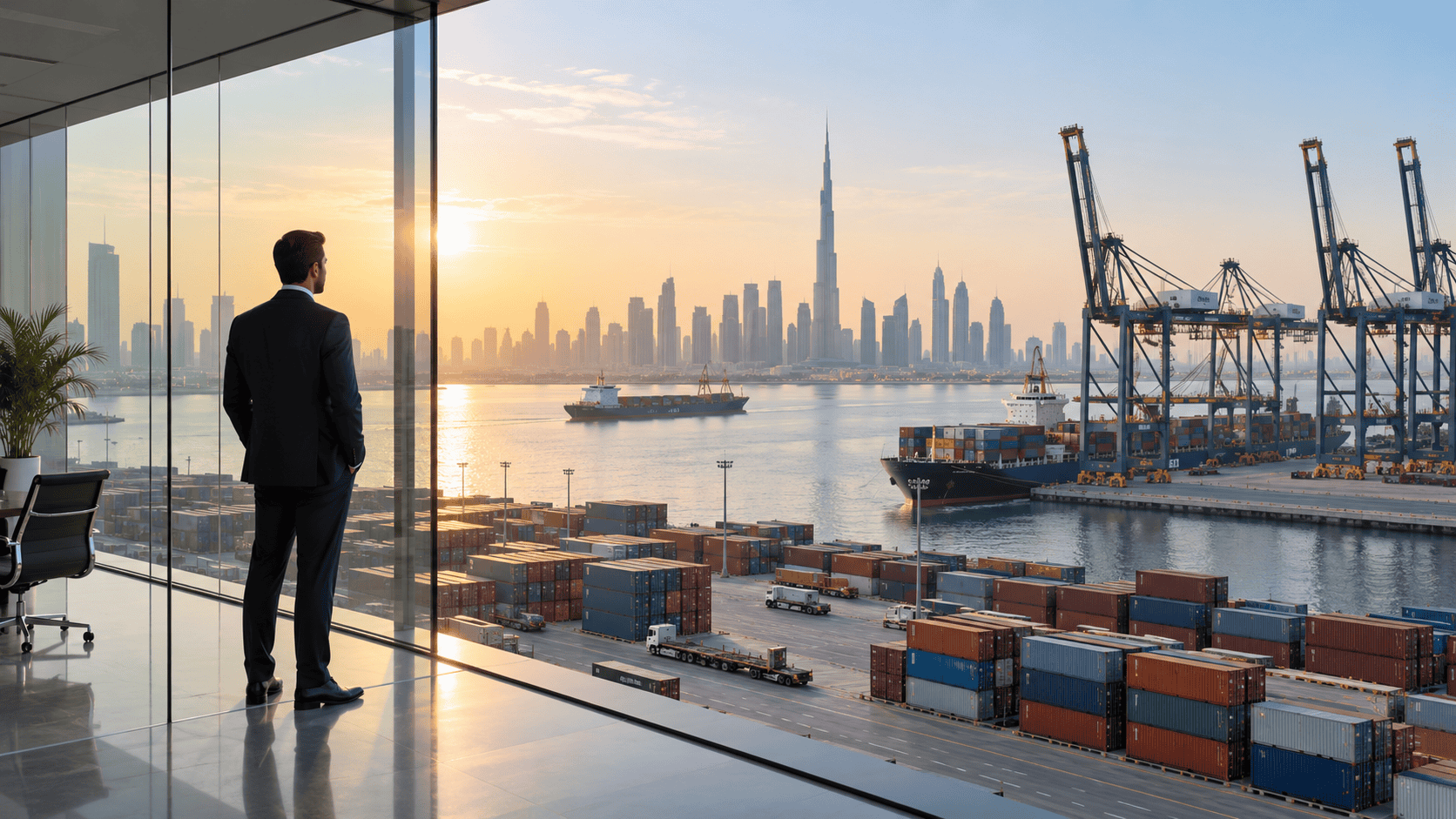

The United Arab Emirates has established itself as one of the world’s most efficient global trade hubs, supported by advanced logistics infrastructure and investor-friendly regulatory frameworks. For international entrepreneurs and trading companies evaluating Freezone Company Setup, one of the most significant advantages lies in the import and export benefits offered within the country’s free zones. These jurisdictions are specifically designed to facilitate international commerce by simplifying customs procedures, reducing administrative barriers, and providing tax-efficient environments that support cross-border trade.
The Role of Freezones in International Trade
Free zones play a central role in the UAE’s trade strategy by acting as gateways for goods entering and leaving the region. Positioned near major ports, airports, and logistics corridors, these zones provide companies with direct access to global shipping networks.
Businesses operating within free zones benefit from integrated logistics systems that allow goods to be imported, stored, processed, and re-exported with minimal regulatory friction. This infrastructure has enabled the UAE to become a critical distribution hub connecting markets across the Middle East, Africa, Europe, and Asia.
For companies engaged in international trading activities, free zones provide an efficient platform for managing supply chains and accessing global markets.
Customs Duty Exemptions
One of the most significant financial advantages of operating in a free zone is the exemption from customs duties on goods imported into the zone.
Duty-Free Importation
Companies can import goods, raw materials, and equipment into the free zone without paying standard customs duties that would normally apply when goods enter the mainland UAE market.
This duty-free status allows businesses to store, assemble, process, or re-export goods without incurring additional tax liabilities.
Customs Duties for Mainland Distribution
If goods are later sold into the UAE mainland market, the applicable customs duties are applied at that stage. This structure allows companies to defer duties until products actually enter the local market.
For businesses engaged primarily in international trade, this duty-free environment can significantly reduce operating costs.
Efficient Import and Export Procedures
Free zones are designed to streamline customs procedures, allowing companies to move goods across borders quickly and efficiently.
Simplified Customs Clearance
Free zone authorities often maintain dedicated customs offices within the zone, enabling companies to process import and export documentation directly on site.
This integrated system reduces administrative delays and accelerates cargo processing.
Electronic Customs Platforms
Many free zones utilize digital customs platforms that allow companies to submit documentation, track shipments, and complete clearance procedures online.
This digital infrastructure supports efficient trade management and improves supply chain transparency.
Re-Export Advantages
The UAE is widely recognized as a major re-export hub, and free zones are specifically structured to support re-export operations.
Regional Distribution Centers
Companies can import goods into a free zone, store them in warehouses or logistics facilities, and then re-export them to international markets without additional customs duties.
This model is particularly valuable for multinational corporations using the UAE as a regional distribution center.
Supply Chain Efficiency
Re-export capabilities allow businesses to consolidate shipments, manage inventory strategically, and distribute products efficiently to multiple markets from a single logistics base.
This capability has made the UAE a preferred logistics hub for global trade companies.
Access to World-Class Ports and Airports
Many UAE free zones are located adjacent to major transportation infrastructure, creating seamless connectivity between international shipping networks.
Major Seaport Access
Free zones such as those located near Jebel Ali Port provide direct access to one of the largest container ports in the world. This strategic location enables companies to handle high-volume cargo efficiently.
Businesses engaged in large-scale trading operations benefit from the port’s extensive global shipping routes.
Air Cargo Connectivity
Free zones near international airports offer efficient air freight capabilities, allowing companies to transport high-value or time-sensitive goods quickly.
This infrastructure supports industries such as electronics distribution, pharmaceuticals, and luxury goods.
Warehousing and Logistics Infrastructure
Free zones provide extensive logistics facilities designed to support companies engaged in import and export operations.
Modern Storage Facilities
Businesses can lease warehouses, cold storage units, and distribution centers tailored to specific industry requirements.
These facilities allow companies to store goods safely while managing inventory and supply chain operations.
Integrated Logistics Services
Many free zones offer integrated logistics services including freight forwarding, customs brokerage, cargo handling, and transportation support.
This integrated ecosystem simplifies the movement of goods and reduces operational complexity for international trading companies.
Manufacturing and Value-Added Processing
Free zones also support companies engaged in manufacturing, assembly, and value-added processing.
Processing and Assembly Operations
Companies may import raw materials or components into the free zone, assemble or manufacture finished products, and then export those goods to international markets.
This structure allows businesses to operate regional production facilities without facing the same duty obligations that would apply within mainland markets.
Industrial Freezones
Specialized industrial free zones provide facilities such as factories, industrial plots, and large-scale production units designed for manufacturing operations.
These zones support sectors including electronics, automotive components, consumer goods, and packaging industries.
Strategic Trade Agreements and Market Access
The UAE maintains strong trade relationships with numerous international markets, enhancing the attractiveness of free zones as global trading platforms.
Companies operating within free zones can leverage these trade relationships to distribute goods efficiently across the Middle East, Africa, and Asia.
Combined with modern infrastructure and efficient customs procedures, this strategic position makes the UAE a powerful gateway for international commerce.
Conclusion
Import and export advantages are among the most compelling reasons businesses choose to operate within UAE free zones. Duty-free importation, streamlined customs procedures, efficient re-export capabilities, and access to world-class logistics infrastructure create an environment that supports global trade and supply chain efficiency. By leveraging these customs and trade benefits, companies can reduce operational costs, accelerate distribution networks, and establish the UAE as a central hub for international commerce. With the right structure and compliance framework, businesses can fully capitalize on the strategic advantages offered by the UAE’s free zone ecosystem.