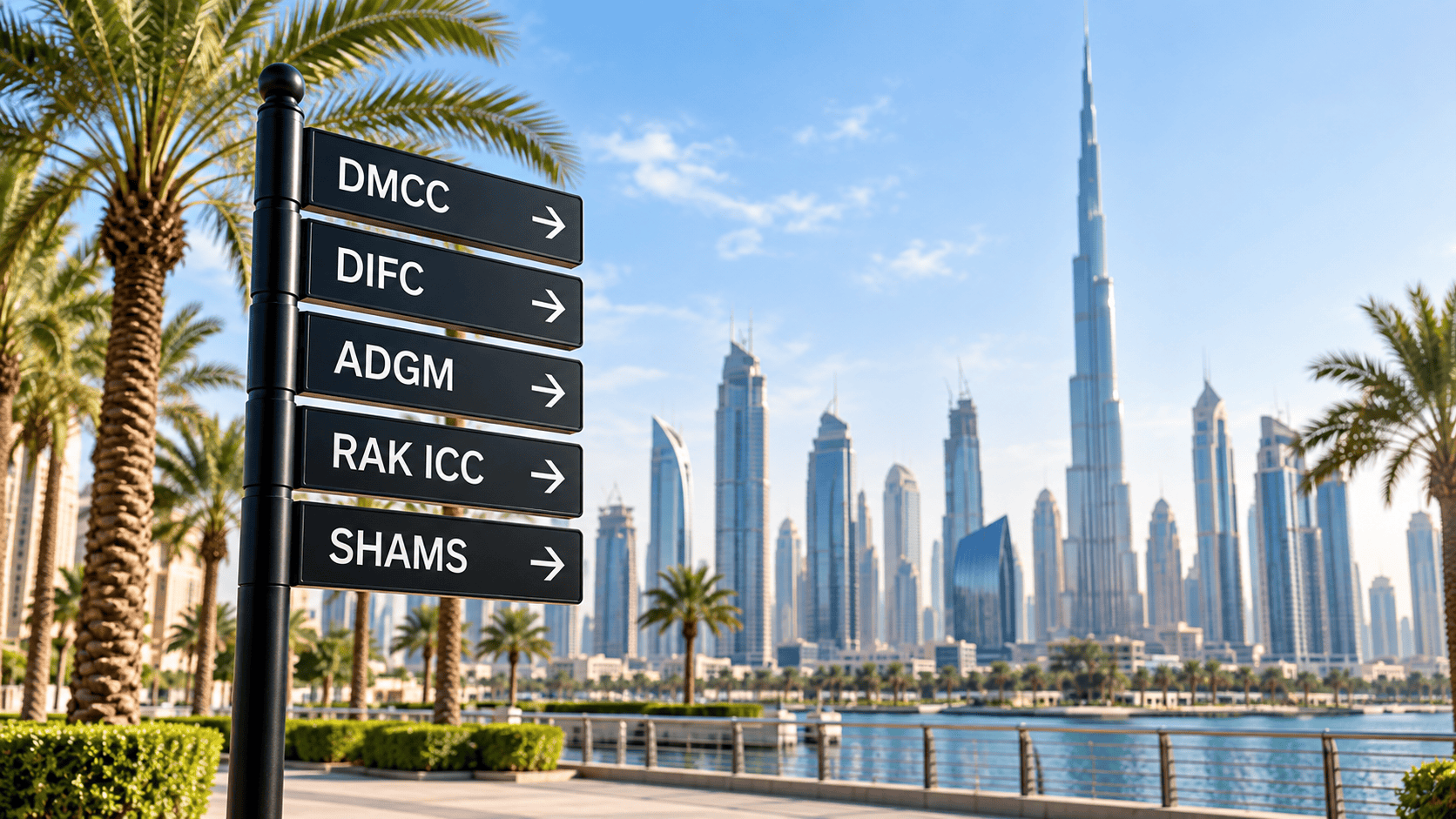

The United Arab Emirates has developed one of the most diverse and specialized business ecosystems in the world through its network of economic free zones. For entrepreneurs and global investors considering Freezone Company Setup, selecting the right free zone is a strategic decision that can significantly influence regulatory compliance, operational efficiency, and long-term business growth. Each free zone in the UAE has been designed to support specific industries by providing tailored infrastructure, licensing frameworks, and commercial ecosystems. Choosing a jurisdiction aligned with the nature of the business ensures that companies benefit from the full advantages offered by the UAE’s free zone environment.
Why Business Type Matters When Selecting a Freezone
Free zones are not simply administrative jurisdictions for company registration. They are specialized commercial environments designed to foster growth within particular industries such as finance, logistics, technology, media, and manufacturing.
Each free zone authority structures its licensing categories, infrastructure, and regulatory framework to support businesses operating within those sectors. As a result, selecting a free zone that aligns with the company’s core activities can improve operational efficiency and provide access to relevant industry networks.
Businesses that carefully evaluate these industry specializations often benefit from stronger commercial partnerships, streamlined licensing processes, and access to specialized facilities.
Freezones for Trading and International Commerce
Businesses engaged in import, export, and distribution activities require free zones that provide strong logistics infrastructure and efficient customs procedures.
Logistics and Trade Hubs
Free zones located near major seaports and transportation corridors are particularly well suited to international trading companies. These zones provide direct access to shipping networks, warehousing facilities, and cargo handling services.
Companies operating within these zones benefit from efficient customs clearance procedures and integrated logistics support that facilitate high-volume trade operations.
Suitable Business Activities
Trading companies dealing in electronics, consumer goods, automotive parts, industrial equipment, and wholesale distribution often select these free zones to support regional and global supply chain operations.
Freezones for Financial Services and Investment Firms
Businesses operating in financial services require regulatory frameworks that align with international financial standards.
Financial Freezones
Specialized financial free zones provide regulatory environments designed for banks, asset management firms, investment funds, insurance companies, and fintech businesses.
These jurisdictions often operate under internationally recognized legal systems and maintain independent regulatory authorities responsible for overseeing financial institutions.
Advantages for Financial Institutions
Financial free zones offer sophisticated legal frameworks, transparent dispute resolution mechanisms, and access to regional capital markets. This environment provides confidence for institutional investors and global financial organizations.
Freezones for Technology and Innovation Businesses
The UAE has placed significant emphasis on building a strong digital economy, resulting in the creation of free zones dedicated to technology and innovation.
Technology Ecosystems
Technology-focused free zones attract software developers, artificial intelligence companies, cybersecurity firms, and digital service providers.
These jurisdictions often host innovation hubs, research centers, venture capital firms, and startup incubators that support technology entrepreneurs.
Collaboration and Talent Access
Technology free zones typically operate within broader innovation ecosystems that include universities, training institutions, and research organizations. This structure encourages collaboration between startups, investors, and global technology companies.
Businesses operating in the technology sector often benefit from these collaborative environments and access to highly skilled talent.
Freezones for Media and Creative Industries
The creative economy has become an important part of the UAE’s economic diversification strategy, leading to the development of media-focused free zones.
Creative Industry Infrastructure
Media free zones provide specialized facilities such as production studios, broadcasting infrastructure, digital content creation spaces, and collaborative creative environments.
These zones are designed to support companies engaged in publishing, digital media production, advertising, marketing, and film production.
Creative Professional Networks
Media zones attract a diverse community of creative professionals including designers, filmmakers, digital content creators, and marketing agencies.
This environment encourages collaboration and supports the growth of creative industries within the region.
Freezones for Manufacturing and Industrial Operations
Manufacturing companies require specialized infrastructure that supports industrial production, assembly operations, and large-scale logistics.
Industrial Freezone Facilities
Industrial free zones offer large warehouses, factory units, industrial land plots, and integrated logistics services designed for manufacturing operations.
These zones are typically located near ports or industrial corridors to facilitate the efficient movement of raw materials and finished goods.
Industries Supported
Manufacturing sectors commonly operating within these zones include electronics assembly, consumer goods production, packaging industries, automotive components, and industrial equipment manufacturing.
The availability of large-scale infrastructure makes these zones particularly attractive to global manufacturers seeking regional production facilities.
Freezones for Startups and Small Businesses
Entrepreneurs and early-stage companies often prioritize cost efficiency and administrative simplicity when selecting a free zone.
Startup-Friendly Freezones
Several UAE free zones offer licensing packages designed specifically for startups, freelancers, and small businesses. These packages often include simplified registration procedures and flexible workspace options such as shared offices and flexi-desks.
These jurisdictions enable entrepreneurs to establish a business presence in the UAE without committing to large operational expenses during the early stages of growth.
Scalable Business Structures
Startup-oriented free zones also allow businesses to upgrade licenses and office facilities as the company expands, providing a scalable pathway for growth.
Factors to Consider When Choosing a Freezone
While business type is an important factor, investors should also evaluate several additional considerations before selecting a free zone.
Licensing Categories
The selected free zone must offer licensing categories that accurately reflect the company’s intended activities.
Operational Infrastructure
Businesses should evaluate the availability of office space, warehousing facilities, and logistics services required to support operations.
Regulatory Environment
Different free zones maintain varying regulatory frameworks and compliance requirements. Understanding these rules helps ensure that the company operates within the correct legal structure.
Cost Structure
Formation costs, licensing fees, office requirements, and visa quotas may vary significantly between jurisdictions.
Evaluating these financial considerations allows businesses to select a jurisdiction aligned with both operational and budgetary objectives.
Conclusion
Choosing the right free zone is a strategic decision that can shape the success of a business operating in the UAE. Each jurisdiction offers specialized infrastructure, regulatory frameworks, and commercial ecosystems designed to support specific industries. By carefully aligning the selected free zone with the company’s business activities, investors can benefit from efficient licensing procedures, access to industry networks, and infrastructure tailored to their operational needs. With thoughtful planning and professional legal guidance, businesses can leverage the UAE’s dynamic free zone environment to build sustainable operations and expand across regional and global markets.